


Psychological Studies of Art and Artists
July 30 - August 2, 2026
Live on Zoom
16+ CE/CME
ACCME | APA | ASWB | NBCC
Physicians can claim AMA PRA Category 1 Credit™
2026 PROGRAM
Registration Options
Need fewer Hours? Register for workshops only!
WORKSHOP REGISTRATION
If you are not registering for the main conference and want a CE certificate add that to your cart at checkout.
THE 2026 PROGRAM
9 am-1 pm, mdt | Optional Workshops 2 pm-5pm, mdt
-
Description
In 1913, Carl Jung undertook a profound inner journey into the unconscious, an experience that became foundational to his life’s work and the development of analytical psychology. Central to this legacy is the understanding that the body, imagination, and psyche are inseparable, yet modern psychology has often relegated the body to the margins.This presentation explores the concept of the body as shadow, drawing on Jungian theory and contemporary neuroscience, including the work of Iain McGilchrist. Participants will examine how instinct, emotion, intuition, and the somatic unconscious have been culturally and clinically devalued, and the implications of this split for psychological health.
Through film clips, readings, and clinical insight, this session introduces embodied active imagination as a method for engaging the embodied soul and facilitating psychological integration. Participants will gain practical understanding of how this approach can be applied to therapeutic work and support healing.
Learning Objectives: At the end of this presentation, participants will be able to:
Discuss Carl Jung’s concept of embodied active imagination.
List at least two factors contributing to the marginalization of the body in Western psychology and their clinical implications.
Apply at least one embodied active imagination or somatic awareness technique in clinical practice.
Erica Lorentz, MEd, LPC, is a Diplomate Jungian Analyst (IAAP) and author of Body as Shadow: Jung’s Method of Embodied Healing (Karnac, 2026). She is a training analyst at the C. G. Jung Institute of New England and has served as Curriculum Coordinator and Training Board Member. She has also been a training analyst with the Inter-Regional Society of Jungian Analysts and adjunct faculty at Antioch School of Professional Psychology.
Since 1986, Ms. Lorentz has maintained a private practice working with individuals, couples, and groups. She has lectured and led workshops throughout the United States, Canada, the United Kingdom, and India, including recent presentations on decolonizing mental health. Her work has been featured on Pacifica Radio and the Jung Platform. Her clinical and teaching focus centers on the embodied mythopoetic process and the inter-active field in analysis.
Her exploration of Jung’s embodied active imagination process began in 1975 through the study of Authentic Movement with Janet Adler.
-
Description
Imagination and creativity are not talents reserved for the gifted few. They are powerful, learnable skills available to every one of us. Whether you are a clinician, educator, or simply someone curious about the human mind, this session will transform the way you think about two of our most essential and extraordinary human abilities.Drawing from neuroscience, positive psychology, and philosophy, Dr. Sheila Pontis takes us on a fascinating journey through the science of imagination and creativity. Discover what Salvador Dalí and Michael Faraday had in common, how the brain generates creative thought, and why these abilities are essential to our mental and physical well-being. Not just in the studio or laboratory, but in the therapy room, the hospital, and everyday life.
This session offers practical, evidence-based strategies for bringing creative thinking into both clinical care and everyday life. From the therapy room to your own personal journey, cultivating imagination and creativity has the power to transform patient outcomes and deepen human connection. It can also reignite your professional purpose and awaken a creative potential you never knew you had.
Learning Objectives: At the end of this presentation, participants will be able to:
Discuss the distinction between imagination and creativity
Explain the role of imagination in supporting creative thinking.
Identify the evidence-based health benefits of deliberate imaginative and creative practice.
BIO
Sheila Pontis, PhD is an interdisciplinary researcher, educator, and practitioner whose work sits at the crossroads of imagination, design, and human flourishing. Originally trained as a graphic designer in Buenos Aires and holding a PhD in Information Design from the University of the Arts London, she has spent over two decades exploring how people think, learn, and create — and how those capacities can be deliberately cultivated.She has held faculty positions at MIT, Princeton University, and Northeastern University, where she designed and taught courses on creativity, imagination, well-being, and human-centered research. Her teaching philosophy is grounded in the belief that imagination is not a talent reserved for artists — it is a fundamental human capacity that can be nurtured in anyone.
Sheila's recent work bridges positive psychology, behavioral science, and design education. She has completed advanced training at the University of Pennsylvania's Positive Psychology Center, Harvard's T.H. Chan School of Public Health, and Yale's Science of Well-Being program. She is also a certified yoga teacher and brings somatic and mindful practices into her work with learners and organizations.
As founder of Imagination for Human Flourishing, she develops workshops, courses, and research that empower individuals and communities to harness their imaginative abilities — to dream, to play, and to address life's challenges more creatively. Her work asks a simple but radical question: What becomes possible when we take imagination seriously?
-
Learning Objectives: At the end of this presentation, participants will be able to:
Describe the psychological and physiological benefits of stillness and mindful presence for both helping professionals and clients.
-
Description
In the stormy summer of 1816, an eighteen-year-old Mary Shelley had a dream that changed literature forever. From that single visionary moment emerged Frankenstein, one of history's most enduring explorations of imagination, creation, and the boundaries of human invention.In this richly illustrated lecture, Dr. Vineeth John and Dr. Ezekiel Hinojosa trace the psychological, neuroscientific, and cultural forces that gave birth to Frankenstein. Drawing from Shelley's own journals and the novel itself, he explores how grief, intellectual rivalry, scientific discovery, and cultural upheaval converged to ignite one of the most extraordinary acts of creative imagination ever recorded.
Through contemporary models of creativity including the Wallas four-stage process, the 4P framework, and the Brandt and Eagleman model of Bending, Breaking, and Blending, this session reveals how Shelley's waking dream exemplifies the interplay between emotion and cognition at the heart of every creative breakthrough. Recent neuroscience findings on the Default Mode Network, daydreaming, and the "aha" moment bring her story into startling modern focus.
Frankenstein is reimagined here not only as a literary masterpiece, but as a timeless case study in the psychology of invention. A reminder that genius can emerge from solitude, sorrow, and wonder.
Learning Objectives: At the end of this presentation, participants will be able to:
Describe major psychological and neurocognitive models underlying creativity.
Analyze Mary Shelley's creation of Frankenstein through modern frameworks of innovation and insight.
Evaluate the dynamic relationship between imagination, crisis, and the creative process.
Vineeth P. John, MD, MBA, is a double board-certified psychiatrist specializing in geriatric psychiatry, currently based in Houston, Texas. He serves as the John S. Dunn Professor in the Louis A. Faillace, MD, Department of Psychiatry and Behavioral Sciences at McGovern Medical School at UTHealth Houston, where he also holds the role of Vice Chair for Education and Director of the Geriatric Psychiatry Program. His clinical interests span adult general psychiatry, bipolar disorder, depression, schizophrenia, and the psychiatric care of older adults.
A passionate advocate for creativity in medicine and education, Dr. John has dedicated his career to cultivating learning environments enriched with openness, creative problem solving, and innovative thinking, believing these conditions are the foundation for extraordinary scholarship and discovery. Over the past decade, he has also been studying the effect of disruptive styles of leadership in organizations, presenting his research at national and international conferences.
Dr. John earned his medical degree from the Christian Medical College and Hospital in Vellore, India. He completed his psychiatry residency at Tufts Medical Center in Boston and his fellowship in geriatric psychiatry at the University of Miami Leonard M. Miller School of Medicine at Jackson Memorial Hospital. He holds a Master of Business Administration from the University of Pittsburgh Joseph M. Katz Graduate School of Business.
Throughout his career, Dr. John has held academic leadership positions at the University of Pittsburgh Medical Center, the University of Miami Miller School of Medicine, the University of Wisconsin School of Medicine and Public Health, and the University of Rochester School of Medicine and Dentistry. He is board certified by the American Board of Psychiatry and Neurology in both psychiatry and geriatric psychiatry and is actively involved in psychiatric education and training initiatives at the national level.
Ezekiel Hinojosa, MD, is a fourth-year psychiatry resident in the Louis A. Faillace, MD, Department of Psychiatry and Behavioral Sciences at McGovern Medical School at UTHealth Houston. He earned his MD from McGovern Medical School at the University of Texas Health Science Center at Houston in 2022, and his BS in Biology and Psychology, magna cum laude, from Texas A&M University in 2018, where he was a recipient of the National Hispanic Scholarship Fund and the Texas A&M Century Scholarship.
Dr. Hinojosa has demonstrated exceptional academic achievement throughout his training, earning the Psychiatry Residency PRITE Award in each of his first three years of residency. He has been selected by his program director to lead the residency's APA MindGames team and was chosen by forensic psychiatry fellowship leadership to assist in developing a forensic psychiatry clinical track within the residency program. His research background spans phospholipid signaling in tumor cells, circadian rhythm and genetics, and medical informatics, with publications in peer-reviewed journals including the Journal of Cell Science and BMC Medical Informatics and Decision Making.
A dedicated educator and mentor, Dr. Hinojosa has developed and delivered numerous lectures and case conferences throughout his training, with a particular commitment to building the next generation of psychiatric clinicians. His co-presentation with Dr. Vineeth John at the Creativity and Madness 2026 conference reflects his growing interest in the intersection of psychiatric science, human experience, and the creative mind.
JULY 30, 2026
-
Description
What happens at the edge of life? And what can those who have returned tell us about consciousness, healing, and what it means to truly live?Near-death experiences (NDEs) have been reported across cultures, throughout history, and by some of the most celebrated minds in science, literature, and the arts. From Carl Jung's vision of Earth from space during a 1944 heart attack, to Sharon Stone's transformative experience following a brain hemorrhage, to Ernest Hemingway's out-of-body encounter on a WWI battlefield, NDEs have inspired, challenged, and forever changed those who lived them.
In this compelling session, Dr. Mitchell Liester invites participants into one of the most fascinating frontiers of modern consciousness research. Drawing from neuroscience, psychology, and the lived accounts of artists, writers, scientists, and visionaries, this presentation explores what NDEs can teach us about the nature of consciousness and the extraordinary capacity of the human mind to heal, transform, and find meaning.
For clinicians, the implications are profound. NDE survivors consistently report reduced death anxiety, increased compassion, diminished materialism, and a deepened sense of purpose. These transformations offer powerful insights for therapeutic approaches to existential distress, end-of-life care, and treatment-resistant depression.
This is a session that will move you, challenge you, and expand the way you think about life, death, and everything in between.
Learning Objectives: At the end of this presentation, participants will be able to:
Describe the core features of near-death experiences and evaluate current neuroscientific and consciousness-based models proposed to explain them.
Identify clinically relevant psychological and behavioral changes commonly reported by NDE survivors: such as reduced death anxiety, increased altruism, diminished materialism, and enhanced sense of purpose
Apply evidence-based frameworks for meaning-making, present-moment awareness, and values clarification into patient-centered psychiatric and palliative care.
Mitchell B. Liester, M.D., is a board-certified psychiatrist and Assistant Clinical Professor in the Department of Psychiatry at the University of Colorado School of Medicine. He received his medical degree from the University of Colorado School of Medicine in 1985, completed his psychiatric residency at the University of California, Irvine, and served as Chief Resident. He has maintained a private practice in Monument, Colorado for over 34 years.
Dr. Liester's interest in psychiatry originates from a deep fascination with altered states of consciousness, whether triggered spontaneously by near-death experiences or through other means. His grandfather's near-death experience, which occurred while Dr. Liester was still a medical student, first introduced him to this realm and shaped a research career spanning more than three decades. His work encompasses consciousness, near-death experiences, indigenous healing practices, biological psychiatry, and psychedelic medicines. He has also investigated the phenomenon of cellular memory, exploring how personality changes following heart transplantation may point to memory stored beyond the brain itself. He has published widely in peer-reviewed journals, contributes regularly to Psychology Today, and served as Vice President of the International Association for Near-Death Studies. To investigate indigenous healing practices, he has journeyed to the Himalayas, Hawaii, Bali, Fiji, and the Andes and Amazon rainforest of South America
-
Description
What if an ancient ritual could open a doorway to healing that modern therapy alone cannot reach?The ofrenda, a sacred altar tradition rooted in Mexican culture, is far more than a cultural ceremony. It is a profound act of symbolic communication between the living and the dead, and a powerful vehicle for psychological transformation. For those navigating complicated grief, it may offer something deeply needed: a way to reconnect, remember, and heal.
In this evocative and clinically meaningful session, participants are introduced to a Jungian art-based inquiry into the therapeutic power of the ofrenda ritual. Drawing from active imagination, archetypal imagery, and symbolic artmaking, this presentation explores how the ritual process of constructing an ofrenda helped participants integrate loss, restore ancestral connection, and experience genuine emotional renewal.
Research findings reveal how this ancient practice functions as a living mandala, bridging conscious and unconscious processes and creating a sacred space where grief can be witnessed, expressed, and transformed. For clinicians, educators, and anyone touched by loss, this session offers both inspiration and practical tools for integrating ritual and art into therapeutic grief work.
Ancient wisdom and modern psychology meet in this deeply moving exploration of how creativity and culture can heal the human heart.
Learning Objectives: At the end of this presentation, participants will be able to:
Describe the cultural and psychological significance of the ofrenda ritual and its role in addressing complicated grief.Identify therapeutic benefits of symbolic and archetypal artmaking
Apply strategies for integrating ritual and symbolic art-based approaches into clinical grief work and therapeutic practice.
Angelina H. Rodriguez, Ph.D., is a Houston-based depth psychologist and psychotherapist who brings a creative perspective and integrative approach to healing, incorporating the principles of Depth Psychology with talk therapy and art therapy. She holds a Ph.D. in Depth Psychology from Pacifica Graduate Institute in Santa Barbara, California, and is a Licensed Professional Counselor/Supervisor and Registered Board-Certified Art Therapist with over two decades of clinical experience.
Her Jungian-informed approach blends depth-oriented insight with therapeutic dialogue, creative art processes, dreamwork, and mindful practices, helping clients move through grief, anxiety, depression, addiction, and major life transitions. She is the founder of Psychotherapy by Angelina and has served clients spanning immigration evaluations, grief work, substance recovery, and trauma healing in both English and Spanish.
Dr. Rodriguez has conducted extensive research on the ofrenda ritual, a traditional practice of honoring the deceased through art and symbol, exploring its role in grief, healing, and the psychology of death. Her documentary, "The Ofrenda Ritual: Bridging Art and Death," follows the healing journeys of participants in her workshops, which have been described as "extremely effective, memorable, and transformational." She has served the community as a therapist at M.D. Anderson Cancer Center, counseling patients with terminal cancer and their grieving families, and volunteered as a crisis counselor during the September 11th crisis in New York City.
A professional artist for over 25 years, Dr. Rodriguez's paintings and murals can be found in private residences and businesses throughout the country, and her work has been displayed in prestigious galleries and museums. She has presented at local, state, and national conferences and has been featured on Fox 26, ABC 13, KHOU Channel 11, the Houston Chronicle, among other media.
-
Description
A single photograph can change the way we see the world and the people in it.Photography is one of humanity's most powerful tools for social advocacy and cultural witness. It preserves emotion, captures lived experience, and gives voice to communities whose stories are too often overlooked. For mental health and medical professionals, visual storytelling offers a compelling pathway to expanding cultural competence, deepening empathic attunement, and developing a more nuanced understanding of the social determinants that shape the lives of those we serve.
In this clinically relevant session, Dr. Karen Bekker and photographer Matthew Septimus bring together the worlds of art, social justice, and mental health. Through Septimus's documentary portraits of Occupy Wall Street participants, they examine how photography amplifies marginalized voices, challenges systemic assumptions, and bears witness to collective trauma, resilience, and the human capacity for recovery.
This session offers a framework for integrating visual narrative into clinical awareness, supporting cultural sensitivity, trauma-informed perspective-taking, and reflective practice, with particular attention to how systemic inequity and social displacement affect psychological well-being.
Learning Objectives: At the end of this presentation, participants will be able to:
Discuss how documentary photography can reveal vulnerability and resilience in both individual and communities.
Explain the role of visual storytelling as a catalyst for empathy.
Identify ways in which photography and the arts can be used to support mental health education and awareness around social justice and collective trauma
Dr. Karen Bekker is a licensed psychologist with over four decades of clinical practice in New York and New Jersey. She earned her B.A. in Psychology from Connecticut College, her M.A. in Psychology from New York University, and her Ph.D. in Psychology from the Graduate Faculty for the Social Sciences at the New School for Social Research. She also completed a Post-Doctoral Fellowship in Epidemiology at the Columbia University School of Public Health. Her current private practice focuses on anxiety, stress, trauma, chronic pain, depression, PTSD, and developmental disabilities.
Dr. Bekker's career spans research, clinical practice, administration, and teaching. She conducted early research at NYU Medical Center, Rockefeller University, and the Albert Einstein College of Medicine, with clinical work in neonatal units at Harlem Hospital and the Rose Kennedy Center. She was founder and Clinical Director of A Starting Place, Inc., an innovative therapeutic preschool serving approximately 250 children with disabilities and their families. She has published in peer-reviewed journals on early intervention and advocacy for children with disabilities, and taught psychology at Bergen Community College, Dominican College, Montclair State University, and Adelphi University. A longstanding interest in emotion and the visual process in art has led Dr. Bekker to published scholarship on the lives and works of Vincent Van Gogh, Paul Cezanne, and Mark Rothko, with presentations at professional conferences across the United States and internationally.
Matthew Septimus is a New York-based photographer educated at New York University and Parsons School of Design, with over thirty years of professional experience. His work spans portraits, performance, documentary, and culinary photography, reflecting a lifelong commitment to capturing the emotional lives of people and places. His clients have included the New York Times, MoMA PS1, Rockefeller University, Memorial Sloan Kettering, Columbia University, and Mount Sinai Hospital. For the PBS television series "Chef's Story," Septimus followed 27 master chefs from the studio set to their kitchens across the country, and his culinary photography for the French Culinary Institute has earned James Beard Award recognition.
Equally dedicated to photography as a tool for social connection and advocacy, he has taught the craft to at-risk youth in the South Bronx, developmentally disabled adults in Brooklyn, Central American immigrants on Long Island, and elderly residents of Manhattan's Lower East Side, with teaching affiliations at the International Center of Photography and The New School. His documentary work, including his portraits of Occupy Wall Street participants, reflects a deep commitment to amplifying marginalized voices and bearing witness to pivotal moments in history.
-
Description
What does it take to repair a relationship after it has been wounded? Love alone is not enough. It takes courage, skill, and the willingness to do something most of us were never taught how to do well: apologize meaningfully and forgive genuinely.In this rich and clinically grounded presentation, Deborah Levinson explores apology and forgiveness as two sides of the same coin, and as among the most powerful tools available for relational healing. Drawing on the vivid metaphor of a tree, she invites participants to consider how relationships, like living things, require intentional tending. Just as a skilled arborist prunes dead wood to restore vitality and growth, couples and families can learn to identify and release the unhealthy patterns that quietly erode their bonds, making space for deeper connection and renewed love.
Grounded in Gottman's Love Map and a practical toolbox of conflict negotiation skills, this presentation offers clinicians a clear, immediately applicable framework for facilitating meaningful apology and genuine forgiveness. Whether you work with couples, families, or parent-child relationships, you will leave with concrete tools to help your clients repair what matters most
Learning Objectives: At the end of this presentation, participants will be able to:
Apply evidence-informed skills for negotiating conflict in couple and parent-child relationships in clinical practice.
Describe the five dimensions of apology and how each dimension supports relational repair
Discuss the tree-and-pruning metaphor as a tool to release harmful relational patterns.
Deborah Levinson, LCSW, is a Johns Hopkins and Catholic University-trained licensed clinical social worker with more than four decades of experience helping individuals, couples, and families navigate life's most profound transitions. Her clinical work has long centered on the healing potential embedded in human relationships, with particular expertise in the therapeutic dimensions of apology, forgiveness, and relational repair.
Mrs. Levinson is best known for developing the Spousal Loss Model, a clinically researched framework for rebuilding identity and purpose after major loss. Over the course of her career, she has come to understand forgiveness not as a simple act of letting go, but as one of the most powerful and complex interventions available in clinical practice. She has facilitated groups for widowed and divorcing individuals through the Jewish Board of Family and Children Services in New York and has presented to professional audiences at Columbia Presbyterian Hospital, Mt. Sinai Hospital, the Gerontological Society of America, and the United States Secret Service Employee Assistance Program, among others.
She is the author of three books, including her widely used workbook Surviving the Death of Your Spouse (New Harbinger, 2004), and has published clinical research in peer-reviewed journals including the Journal of Personal and Interpersonal Loss and Illness, Crisis and Loss.
A member of Phi Beta Kappa and Pi Lambda Theta, Mrs. Levinson brings decades of clinical wisdom, scholarly grounding, and genuine warmth to her exploration of the transformative power of love expressed through apology and forgiveness.
JULY 31, 2026
-
Description
Burn injuries are among the most catastrophic traumas a person can endure, devastating not only physically, but psychologically and socially. Recovery demands far more than wound healing; it requires rebuilding identity, reclaiming relationships, and finding a path forward in a profoundly changed body and life. Yet within that devastation, resilience is possible, and two extraordinary women are living proof.In this deeply personal and professionally grounded presentation, Cindy Rutter and Jill Sproul share their parallel journeys as childhood burn survivors who went on to dedicate their careers to burn care: Cindy as a burn nurse and psychotherapist, and Jill as a burn nurse and Chief Nursing Officer. Drawing on decades of lived experience and clinical expertise, they illuminate the unique psychological landscape of burn recovery, the complex grief and loss that accompanies disfigurement, the challenges of body image, sexuality, and intimacy, and the critical role of peer support, advocacy, and hope in the healing process.
Participants will also explore the often-overlooked psychological needs of parents, siblings, caregivers, and the burn care professionals themselves, including surgeons, nurses, therapists, and social workers, who carry the emotional weight of this work, particularly amid ongoing staffing shortages and systemic burnout. Through personal narrative, clinical insight, and a strengths-based lens, Cindy and Jill model what it means to transform tragedy into purpose, and to offer that same possibility to every survivor they serve.
Learning Objectives: At the end of this presentation, participants will be able to:Discuss the unique psychological, physical, and social needs of burn survivors.
Identify national and local resources available to burn survivors and their loved ones.
Apply evidence-based strategies to support the emotional well-being of burn survivors and their families and reduce burnout among caregivers and burn care professionals.
Cindy Rutter, LMFT, BSN, RN brings more than 45 years of expertise in burn care to her work as a clinician, advocate, and dedicated champion for burn survivors and their families. A burn survivor herself for 66 years, Cindy's personal and professional journeys are deeply intertwined, giving her a uniquely powerful perspective on healing and recovery.
Cindy began her career as a burn unit nurse and went on to serve as Nurse Manager of the UCSD Regional Burn Center. She is currently in private practice as a psychotherapist in San Diego, with a primary focus on burn and trauma recovery. Throughout her career, she has contributed to the field through service on the Education Committee for the American Burn Association, the Executive Board for the Alisa Ann Ruch Burn Foundation, and the Advisory Board for the San Diego Burn Institute.
Cindy's passion for aftercare has shaped some of the most meaningful contributions of her career. She co-founded one of the first national adult burn survivor retreats in the United States and continues to serve as a facilitator at adult retreats, youth summits, and children's burn camp support programs. She was instrumental in designing, developing, and implementing SOAR (Survivors Offering Assistance in Recovery), a peer support recovery program for burn survivors and their family members, and she remains on the National Advisory Committee and National Faculty of the SOAR program. She has taught peer support training across both the United States and Canada. Cindy is also a frequent speaker and presenter at the American Burn Association conference and the Phoenix Society World Burn Congress.
Her extraordinary contributions have been recognized with numerous honors, including California Nurse of the Year in 2000, the San Diego Chargers Community Quarterback Award in 2002, and the Remarkable Women Award from Redbook Magazine in 2007. In 2011, she received the prestigious Alan Breslau Award for her sustained commitment to the burn community.
Cindy is the proud mother of two grown daughters and the devoted grandmother of two grandchildren.
Jill Sproul, MS, RN brings more than 30 years of dedicated expertise in burn care to her work as a clinician, leader, and passionate advocate for burn survivors. She began her nursing career in 1990 as a new graduate from San Jose State University, joining the Burn Center at Santa Clara Valley Medical Center, an institution that would become the cornerstone of her remarkable career.
In 1996, Jill expanded her experience at the University of California San Diego Burn Center, serving as Assistant Nurse Manager before returning to Santa Clara Valley Medical Center in 1997 as Burn Center Nurse Manager, a role she held for 20 years. Her leadership continued to grow as she took on the Director of Critical Care, Emergency Department, and Perioperative Services, and ultimately became Chief Nursing Officer for Valley Medical Center in 2017. In 2019, she was elevated to System CNO, overseeing hospitals and clinics across the system until her retirement from Santa Clara County in June 2023.
Alongside her clinical and administrative leadership, Jill's deepest passion has always been outreach and aftercare for burn survivors. She is especially proud of her contributions to the Phoenix Society's SOAR peer support program as a member of the National Advisory Committee. A steadfast believer in the power of peer support, she conducted her graduate research in 2009 at San Jose State University on peer support and its perceived benefits for burn survivors. Her relationship with the Phoenix Society spans three decades, beginning in 1994, and includes service on the Board of Directors from 2012 to 2022. She has also been an active contributor to the American Burn Association, including service on their Board of Directors from 2013 to 2016 and participation on numerous ABA committees.
Since February 2024, Jill has served as Director of Programs for the Phoenix Society for Burn Survivors, continuing her lifelong commitment to the burn community in a new and meaningful chapter.
Jill is married and the proud mother of four grown children. Since retiring from Santa Clara County, she has remained deeply engaged in the burn community, a testament to the relationships and mission that have defined her career.
-
Description
What does it mean to find your voice when your culture demands your silence?For many Iranian and Iranian American women, this is not a metaphor. It is a lived reality. Intergenerational trauma, patriarchal expectation, religious constraint, and family loyalty create a powerful web of silence that shapes identity, limits autonomy, and profoundly affects the therapeutic relationship. For clinicians working with this population, cultural awareness alone is not enough. Deep understanding is required.
In this rich and clinically grounded session, Dr. Charlyne Gelt and Dr. Vida Nikzad bring together film, poetry, mythology, and case material to illuminate the inner world of Iranian and Iranian American women in therapy. Through the poetry of Forough Farrokhzad, Iran's most courageous female voice, films such as A Separation and Shadya, and the transformative myth of The Handless Maiden, they trace the psychological journey from silence and submission toward voice, agency, and individuation.
Using Jungian, feminist, and multicultural frameworks, the presenters examine how shame, duty, relational dependency, and fear of self-expression shape the goals Iranian women bring to therapy, and how those goals often differ from those of the general population. Clinicians will gain practical, culturally sensitive tools to recognize barriers, interrupt destructive patterns, and support their clients in building resilience and reclaiming their sense of self.
Even a trapped bird, given the right conditions, can learn to fly free.
Learning Objectives: At the end of this presentation, participants will be able to:
Identify cultural, patriarchal, and familial barriers that impact therapeutic engagement and treatment outcomes with Iranian and Iranian American women clients.
Discuss patterns of toxic abuse common in the general population and distinguish them from culturally specific dynamics within Iranian culture.
Apply culturally sensitive, Jungian, and feminist clinical interventions to foster resilience, agency, and transformation with Iranian / Iranian-American women clients.
Charlyne Gelt, PhD, CGP is a licensed clinical psychologist, certified group psychotherapist, and educator based in Encino, California, with over 30 years of experience working with individuals, couples, adolescents, families, and groups. She holds a PhD in Clinical Psychology from Pacifica Graduate Institute and brings a rich integrative approach to her work, drawing on cognitive-behavioral, depth psychological, family systems, and self psychology frameworks.
Dr. Gelt is the author of "Hades' Angels: The Transformative Journeys of Women Who Love Lifers and Death Row Inmates," a groundbreaking exploration of the psychological dynamics of women in committed relationships with incarcerated men. Her writing has appeared in the Los Angeles Psychologist, The California Therapist, and numerous professional publications, and she contributes a monthly Cinema Therapy column to the San Fernando Valley CAMFT newsletter.
Dr. Gelt’s interests span the intersection of cinema, therapy, relationships, and the transformation of consciousness. Her clinical workshops, Women's Empowerment Groups, and Men-Only group series focus on moving individuals from emotional dependency and destructive relational patterns toward emotional independence and mature interdependency.
Her clinical specialties include women's relationship and empowerment issues, grief and loss, family therapy, and children with special needs, particularly those on the autism and Asperger's spectrum. She has facilitated a College Survival Process Group for students on the autism spectrum through UCLA Extension's Pathway Program, and has volunteered for over a decade as a group facilitator for families with a loved one in prison through Friends Outside LA.
Vida Nikzad, PsyD is a Licensed Clinical Psychologist and Licensed Marriage and Family Therapist based in Los Angeles, California, with a private practice in Santa Monica. Rooted in an Existential, Humanistic, and Gestalt orientation, her work integrates depth psychology, somatic awareness, and evidence-based approaches to support individuals, couples, and families navigating trauma, mood disorders, addiction, and relational healing.Dr. Nikzad holds a Doctor of Psychology from the Chicago School of Professional Psychology and a Master's in Marriage and Family Therapy from Phillips Graduate Institute. She is a Certified Gestalt Therapist, EMDR Certified Therapist, Certified Hypnotherapist, and EFT-trained couples therapist, with additional training in DBT, CBT, Jungian dreamwork, archetypal analysis, and mediation.
Her clinical career has spanned private practice, hospital, and residential treatment settings, including seven years as a Staff Psychologist at the Betty Ford Center, where she specialized in dual-diagnosis treatment, DBT and CBT-based addiction and relapse prevention, and family codependency therapy. She has also served as a program therapist at Mission Community Hospital, providing crisis intervention, geriatric psychiatric care, and dual-diagnosis group treatment.
A passionate educator and group facilitator, Dr. Nikzad has led ongoing clinical workshop series integrating dreamwork, Iranian and American fairy tales, myth, poetry, and film as pathways to archetypal and narrative trauma processing. She is fluent in both English and Farsi, and brings a rich multicultural perspective to all of her clinical and educational work.
-
Description
What if the experiences that made you feel different were your greatest gifts?Many healers, clinicians, and creatives carry a lifelong sense of being "other." Shaped by early rejection, trauma, or simply the feeling of never quite belonging, the outsider experience can feel like a wound. Yet throughout history, it is often the outsiders who become the visionaries, storytellers, cultural bridge-builders, and most intuitive healers.
In this thought-provoking and clinically rich lecture, Patrice Roy invites participants to explore the outsider identity not as a wound to hide, but as a source of wisdom, originality, and profound human connection. Drawing from psychology, creativity research, and trauma theory, she traces the pathways through which early rejection and "not fitting in" become the very forces that fuel imagination, empathy, and deeper clinical insight.
Through compelling research and real-world examples, participants will explore how shame transforms when given creative expression, and how outsider narratives reorganize meaning, regulate emotion, and reconnect individuals to vitality and belonging. The lecture examines pathways for healing and reintegration including psychotherapy, somatic work, community-building, and finding a creative tribe that mirrors one's inner landscape.
This session is designed to foster both professional growth and personal healing, offering clinicians practical tools they can integrate directly into practice.
Learning Objectives: At the end of this presentation, participants will be able to:
Describe three psychological mechanisms through which outsider experiences and early rejection shape identity
Identify research-supported healing modalities, including expressive arts, somatic therapies, and psychedelic-assisted interventions, that transform shame-based outsider identities into adaptive strengths.
Apply creative strategies in clinical practice to help clients transform outsider experiences into resilience and insight.
Patrice Roy, PMH-NP, BC, CNS is a board-certified Psychiatric-Mental Health Nurse Practitioner with over 25 years of experience spanning clinical practice, academic teaching, and the emerging frontier of psychedelic-assisted therapy. She brings to her work a rare combination of rigorous clinical training and a deeply human perspective forged at the edges of convention.
Before stepping into clinical practice, Patrice was hauling lobster traps off the coast of Maine, playing banjo and ukulele, and creating encaustic art. These weren't detours from her professional path; they were the foundation of it. Every unconventional experience taught her something essential about resilience, meaning, and the wisdom that comes from standing outside looking in.
That perspective has shaped her clinical career at every turn. At Maine's largest tertiary care hospital, she helped build the Substance Abuse Consultation Service and co-founded the Dana Foundation Addictions Training Project, training healthcare professionals across New England to see patients with addiction through a more compassionate lens. She later joined Mayo Clinic in Arizona before turning her full attention to ketamine and psychedelic-assisted therapy.
Now in private practice in Scottsdale, Patrice offers ketamine-assisted treatment to clients with treatment-resistant depression, chronic PTSD, and anxiety, integrating preparation, real-time support, and structured post-session integration into immersive retreat formats. For over two decades, she has also taught at the University of Southern Maine, Boston College, the University of Vermont, and Drexel University, consistently bringing the same message: the best clinicians aren't the ones who follow the rules perfectly. They're the ones who understand when the rules themselves need to evolve.
-
Description
Recent advances in neuroscience, somatic therapy, and mindfulness practice have transformed the way we understand trauma, painful thought patterns, and destructive emotions. A powerful new approach is emerging, one that views symptoms of suffering not as problems to be eliminated, but as the body's own wisdom pathways, creating communication between the unconscious and the aware self in service of healing and transformation.In this dynamic and experiential lecture, pioneering psychotherapist and mindfulness teacher Dr. Ronald Alexander brings together cutting-edge techniques from Mindfulness, Positive Psychology, and Core Creativity Practices. Drawing from neuroscience and somatic therapy, he explores how resources such as spontaneity, curiosity, trust, creativity, and joy can unlock the healing of painful experiences stored in the brain's neural pathways and the body's somatic memory.
This session blends theory with direct experience. Through somatic deep breathing, yogic kriyas, music, and creative imagery, participants will have the opportunity to access the unconscious, attune to natural mind and body healing rhythms, and develop practical tools for nervous system regulation and trauma healing.
Participants will leave with a deeper understanding of their own creative process and practical strategies to cultivate self-compassion, resilience, and lasting wellness, for themselves and for those they serve.
Learning Objectives: At the end of this presentation, participants will be able to:
Apply mindfulness and core creativity techniques in clinical practice.
Discuss how mindfulness meditation and core creativity practices promote insight and support healthy brain development.
Demonstrate somatic breathing and mindfulness techniques that access the unconscious and its natural healing resources.
Ronald A. Alexander, PhD, MFT, SEP is a psychotherapist, leadership coach, and international trainer in Mindfulness Meditation, Core Creativity, Gestalt Therapy, Ericksonian Mind-Body Therapies, and Somatic Experiencing. He is the Executive Director of the OpenMind® Training Program, offering personal and professional training in mindfulness-based mind-body therapies, transformational leadership, and meditation for over forty years.
A lay Zen Buddhist practitioner, Dr. Alexander specializes in utilizing mindfulness meditation to help individuals access the mind states that open the portal to their core creativity. He is the author of two books: "Core Creativity: The Mindful Way to Unlock Your Creative Self" and "Wise Mind, Open Mind: Finding Purpose and Meaning in Times of Crisis, Loss, and Change."
Since 1972, he has conducted workshops and professional clinical trainings supporting personal, clinical, and corporate excellence across the United States, Europe, Canada, Russia, Asia, and Australia.
AUGUST 1, 2026
-
Description
What does it mean to create art in service of a better world?Russian artist Nicholas Roerich known as the "Messenger of Beauty," he was a visionary mystic, fearless explorer, and passionate peace advocate whose extraordinary life and prolific body of work continue to inspire awe and wonder. Alongside his wife Helena, he pursued a lifelong quest to elevate human consciousness through discipline, courage, beauty, and spiritual devotion.
In this richly illustrated lecture, Dr. Eleanor Hamilton traces the remarkable journey of one of history's most captivating creative spirits. Drawing from Roerich's art, writings, and life story, she explores the psychological, cultural, and environmental forces that shaped his evolution as an artist and activist. From the mystical landscapes of the Himalayas to his groundbreaking international peace efforts, Roerich's story offers a profound clinical lens through which to understand how creativity and meaning can be nurtured, encouraged, and sustained.
Participants will explore the psychological environment that inspired Roerich's creative process, the impact of his background on his courage and dedication to the arts, and the role of emotional authenticity in the pursuit of creative expression. The session also examines clinical approaches to developing healthy self-efficacy and building the kind of focused, purposeful direction that sustains creative growth over a lifetime.
For clinicians and creatives alike, Roerich's life is a masterclass in what becomes possible when beauty, meaning, and purpose are placed at the center of one's work.
Learning Objectives: At the end of this presentation, participants will be able to:
Discuss the environmental and psychological influences that nurtured Roerich's creative process and commitment to peace.
Analyze how Roerich's background and cultural context shaped his artistic vision and dedication to human consciousness.
Identify the role of purpose in strengthening resilience and emotional well-being across the lifespan.
Eleanor D. Hamilton, PhD, LPC, LMHC brings more than 40 years of dedicated clinical experience to her work as a psychotherapist, with deep specializations in psychological trauma, addiction and recovery, grief and loss, anger management, and meditation and mindfulness. Throughout her career, she has worked with individuals, couples, families, and groups across diverse cultural communities throughout the United States.
Dr. Hamilton holds a B.S. and M.A. from Columbia University and a PhD in Clinical Psychology from the Florida Institute of Technology. Her doctoral studies included extensive hypnosis training in Switzerland, and her post-doctoral work at the C.G. Jung Institute in Santa Fe deepened her grounding in Archetypal and Developmental Psychology, providing a rich framework for culturally integrative practice.
Her clinical career has taken her across the country, including serving as Clinical Supervisor for the Behavioral Health Department of the Makah Tribe in Neah Bay, Washington, where she worked within an Integrative Medicine Program and collaborated directly with Native Healers. She also served as a Military Life and Family Therapist at Fort Drum, New York, led a groundbreaking Women's Support Group for Soldiers, and has provided counseling services to active-duty military, veterans, and their families throughout her career.
Currently in private practice at Pathways in Temple, Texas, Dr. Hamilton holds certifications in HeartMath Biofeedback, Anger Management Therapy, Brain Spotting, EMDR, and Military Counseling. She is licensed in Texas, Washington, New York, and Washington, D.C.
-
Description
What if there were a "thermometer" that could objectively measure a client's "mental temperature" with the same precision and speed that a physician takes a patient's body temperature?This presentation introduces a theoretical model of consciousness that generates precise balances of positive and negative emotions, differentiating dysfunctional, subnormal, normal, optimal, and peak levels of psychological functioning. Drawing on decades of research in cognitive-affective balance and positive psychology, Dr. Schwartz presents practical, accessible examples of how to apply this simple yet innovative method in clinical settings.
Participants will learn how to use the States of Mind Model to more precisely assess emotional balance, track changes across the course of psychotherapy, and evaluate in-session responses to relaxation training and other therapeutic interventions. This approach offers clinicians a concrete, mathematically grounded tool for understanding where a client stands on the spectrum from dysfunction to optimal flourishing, and for measuring meaningful progress over time.
Learning Objectives: At the end of this presentation, participants will be able to:
List three examples demonstrating the role of emotion in healthy psychological functioning.
Identify scientific studies that support the relationship between emotional balance ratios and levels of psychological functioning.
Apply two practical assessment methods to evaluate their own emotional balance and integrate these methods into clinical practice.
Robert M. Schwartz, PhD is a clinical psychologist and one of the pioneers of positive psychology. Together with renowned psychologist John M. Gottman, he developed one of the first scientifically based measures to assess both positive and negative thoughts and emotions. Over a 30-year career as a faculty member at the University of Pittsburgh Schools of Medicine, he published 25 scientific papers spanning depression, anxiety, stress, psychotherapy outcome, and the science of well-being.
His groundbreaking contribution, the States of Mind Model, is the first mathematically based system for identifying whether a person is in an optimal, normal, or dysfunctional psychological state. This model has been applied in clinical research on depression treatment, agoraphobia, and cognitive-affective balance, and has been published in leading peer-reviewed journals including the Journal of Consulting and Clinical Psychology, Cognitive Therapy and Research, and Clinical Psychology Review.
Dr. Schwartz is the founder and president of Cognitive Dynamic Therapy Associates in Pittsburgh, Pennsylvania, where his clinical work integrates cognitive, psychodynamic, and positive psychology approaches. He is also a Certified Diplomate of Sex Therapy through the American Association of Sex Educators, Counselors, and Therapists, with additional specialties in anxiety, depression, marital therapy, and stress management.
In addition to his research and clinical practice, Dr. Schwartz has led Beyond Positive Thinking seminars with groups and helped hundreds of clients transform their state of mind into a more balanced, optimal zone. He has presented his work at national and international conferences and continues to write and publish on psychology, positive emotion, and human flourishing.
-
Description
In this engaging and affirming session, Dr. Meriah Ward draws from current research, personal experience as an autistic clinician, and real-world case vignettes to explore what it truly means to live and thrive at the intersection of neurodivergence and gender diversity. As more people identify as both neurodivergent and gender diverse, awareness and understanding of this population has never been more relevant.Terms like neuroqueer, sensory dysphoria, and gender diversity are increasingly part of our cultural conversation, and many people encounter them without a clear understanding of what they mean or why they matter. Building awareness of how gender identity and sensory dysphoria are experienced in this population opens the door to recognition and compassionate care.
For clinicians, this session offers practical tools for providing affirming, culturally responsive care that moves beyond outdated diagnostic frameworks. For general audiences, it offers a window into the lived experiences of neuroqueer individuals, deepening empathy and understanding for the people in our lives, our communities, and our care.
Whether you are a provider, a family member, a friend, or someone navigating this intersection yourself, this session will expand the way you see, understand, and connect with the neuroqueer experience.
Learning Objectives: At the conclusion of this session, participants will be able to:
Discuss key concepts of neuroqueer identity and sensory dysphoria.
Apply at least three evidence-informed, neuro-affirming, and gender-inclusive strategies in clinical or community-based practice.
Identify current research describing the co-occurrence of neurodivergence (e.g., ASD, ADHD) and LGBTQIA+ identities.
Meriah Ward, DNP, FNP-BC, PMHNP-BC is a dual board-certified Family and Psychiatric Mental Health Nurse Practitioner with a Doctor of Nursing Practice from Old Dominion University. Drawing from both professional expertise and lived experience as an autistic clinician, Dr. Ward brings a uniquely personal and clinically grounded perspective to the care of neurodivergent and LGBTQIA+ populations.
With extensive experience in primary care, outpatient psychiatry, federally qualified health centers, and telehealth, Dr. Ward has dedicated their career to serving underserved communities and addressing the social determinants of health. Their clinical specialties include neurodevelopmental disorders, mood and trauma-related disorders, substance use disorder, and gender-affirming care through hormone therapy.
A nationally recognized voice on neurodivergence in clinical practice, Dr. Ward has presented at the AANP National Conference, contributed CME content for Elite Learning, and been featured on the AANP NP Pulse Podcast discussing their lived experience as an autistic nurse practitioner. They have also served as Director of Clinical Education, adjunct professor at Old Dominion University, and consultant on LGBTQIA+ and neurodiversity-affirming healthcare policy and practice. Dr. Ward is a two-time recipient of the prestigious HRSA Advanced Nursing Education Workforce grant.
-
Description
What does it mean to live creatively, and how does creativity itself become a form of psychological practice? In this engaging and thought-provoking session, Dr. Barton Goldsmith explores the intersection of creativity, emotional fitness, and the pursuit of happiness, drawing on more than 30 years of clinical experience and his nationally syndicated column, Emotional Fitness. Dr. Goldsmith examines how creative expression functions not only as artistic output, but as a dynamic process of self-discovery, resilience-building, and psychological healing.Through vivid storytelling, research-grounded insights, and his signature warmth and humor, Dr. Goldsmith invites clinicians and mental health professionals to rethink how they integrate creativity into their own lives and therapeutic work. He draws from his own eclectic journey, including his work in the film and television industries, his role as an NPR radio host, his decades as a keynote speaker, and his authorship of seven books, to illustrate that a creative life is not a luxury, but a clinical imperative. Participants will leave with concrete, immediately applicable tools for cultivating creativity as a daily psychological practice, both personally and with their clients.
Learning Objectives: At the end of this presentation, participants will be able to:
Discuss how creative engagement can support emotional regulation, resilience, and psychological well-being.
Identify at least two evidence-informed creative strategies for use in clinical work addressing mood, relational, or trauma-related concerns.
Discuss how humor can serve as a therapeutic tool to strengthen alliance, reduce resistance, and promote emotional well-being.
Barton Goldsmith, Ph.D., LMFT, CADAC is a multi-award-winning psychotherapist, nationally syndicated columnist, author, and radio host with more than 30 years of clinical experience. Recognized by Cosmopolitan Magazine as one of America's top therapists, Dr. Goldsmith has spent his career making psychology accessible, engaging, and genuinely useful to audiences worldwide.
His weekly column Emotional Fitness, syndicated by Tribune News Service, appears in more than 400 publications including The Washington Post, The San Francisco Chronicle, and Time Magazine. His Psychology Today blog has surpassed 15.5 million views. For nearly a decade, "Dr. G" hosted a weekly program on NPR affiliate KCLU, interviewing leading thinkers for nearly 90,000 listeners.
The author of seven books, including the Emotional Fitness series and The Happy Couple. Dr. Goldsmith has appeared on CNN, Good Morning America, 60 Minutes, CBS News, and NBC News. He has served as an on-set therapist in film and television and as a national public health spokesperson.
His honors include the Clark Vincent Award for Writing (CAMFT), the Peter Markin Merit Award (AAMFT), the Giannantonio Award as Outstanding Educator in Addiction Medicine, and induction into the CAADAC Hall of Fame. He received special recognition from the City of Los Angeles for his crisis work following the 1994 Northridge earthquake.
Dr. Goldsmith holds a Ph.D. in Human Behavior Psychology and is a Licensed Marriage and Family Therapist and Certified Drug and Alcohol Counselor. A National Merit Scholar and former Professor of Psychology, he connects with every audience through clinical depth, warmth, and an irrepressible sense of humor.
AUGUST 2, 2026
OPTIONAL WORKSHOPS
2:00 PM ~ 5:00 PM
-
Workshop Description
This workshop explores the complex landscape of moral and ethical decision-making at the end of life, one of the most sensitive and universally relevant issues facing individuals, families, and healthcare professionals today. There are more and more states and countries which legally allow Medical Assistance in Dying (MAID), and there are professionals who both agree and strongly disagree with those options. While many assume that morals and choices stemming from those morals are fixed and universal, and that ethics are externally defined codes of conduct, this course invites participants to critically examine how both morals and ethics are shaped, internalized, and challenged over time.Participants will explore key questions such as:
What are the origins of our moral beliefs?
How do personal values align, or conflict, with institutional ethics?
What happens when ethical codes fail to offer guidance in real-world dilemmas?
Through reflective discussion, case examples, participants will analyze how concepts of self-determination and autonomy, culture, worldview, professional identity, and lived experience influence one’s moral compass, as well as the ethics within which we may work or practice, especially in high-stakes situations involving end-of-life care, patient autonomy, and family decision-making.
Grounded in both legal, secular and religious as well as clinical perspectives, this workshop supports healthcare professionals in building greater self-awareness, cultural sensitivity, and ethical clarity when navigating the emotionally charged territory of life’s final choices and decisions.
Learning Objectives: At the end of this presentation, participants will be able to:
List three core concepts commonly associated with the development of moral and ethical frameworks, and how they impact end-of-life care and decisions.
Discuss pros and cons in general terms of MAID vs Euthanasia, VS Hospice Care
Explain how morals and ethical principles develop and evolve over time in response to personal, cultural, and societal influences.
Discuss the impact of culture, worldview, personal experience, and professional role on moral decision-making and ethical interpretation in clinical and family contexts.
Discuss the general framework of MAID laws, requirements and hurdles for patients and families
Identify ethical challenges of working with Traumatic Brain Injury patients and their families.
FORMAT: Workshop with PowerPoint presentation
EVALUATION: Standard Evaluation Form
Joyce Lilly, RN, JD is a Registered Nurse who has worked in hospital and community settings. She worked as a psychiatric nurse for 4 years. Joyce attended Boston University School of Law and is a Plaintiff lawyer representing persons injured due to the negligence of others. She also represents Nurses before the Texas Board of Nursing in Austin.
JULY 30, 2026
-
Workshop Description
This three-hour workshop explores the connection between imagination and happiness and trains health-related professionals in both the deliberate use of imaginative thinking in everyday life and the strengthening of inner discovery and emotional well-being. The goal is for attendees to walk away feeling hopeful and empowered, and with the tools and techniques to integrate and foster imagination skills in their practice.Imagination has immense benefits for our mental and physical health, personal growth, and emotions. However, despite everyone having the ability to form mental representations of things, situations, or concepts that are not present to the senses, internal and external factors visibly hinder our imaginative behaviors. On the one hand, we are increasingly feeling anxious, more lonely and unhappy. Pervasive pessimism and hopelessness about the future contribute to this mental state. On the other hand, culture, social constructs, and education systems reward those who follow the norms, while judge those who think differently. As a result, our imagination has become constrained and underdeveloped, with most ideas being permutations of what we have already seen, known, and done. We struggle to imagine positive paths forward, a better life, or think about problems differently from what we know. In this context, integrating imagination training (rooted in inner discovery) in health practices can increase optimism, happiness, and the quality of social connections, as well as provide the tools to think more positively about the future.
Sitting at the intersection of psychology and well-being, this workshop will explore imagination as a mindset and skill that can be taught, developed, and improved by first journeying inwards. Attendees will engage in theoretical exploration and review results from latest research to enhance their understanding of imagination as a key component of emotional well-being. The practice of interactive, fun techniques rooted in mindfulness, serious play, positive psychology, and creativity literature will give them an opportunity to experience the positive effects of imaginative thinking and gain confidence imagining individually and collaboratively. The goal is for attendees to walk away with the tools to integrate and foster imagination skills in their practice.
Learning Objectives: At the end of this workshop, participants will be able to:
Explain imagination as a mindset and its role in emotional well-being.
Identify common barriers to imagination and strategies to overcome them.
Apply mindfulness and playful interventions to cultivate inner-discovery and deliberate imagination in themselves and others (patients, colleagues, etc.).
Develop strategies for integrating imagination-boosting techniques into daily practice.
The workshop is an interactive session combining theory, research studies, discussion, hands-on activities, and reflection.
Materials required large-size paper, colored markers and pens, sticky notes, other office supplies or blocks will be needed for the session.FORMAT: Workshop with PowerPoint presentation
EVALUATION: Standard Evaluation Form
Sheila Pontis, PhD is an interdisciplinary researcher, educator, and practitioner whose work sits at the crossroads of imagination, design, and human flourishing. Originally trained as a graphic designer in Buenos Aires and holding a PhD in Information Design from the University of the Arts London, she has spent over two decades exploring how people think, learn, and create — and how those capacities can be deliberately cultivated.She has held faculty positions at MIT, Princeton University, and Northeastern University, where she designed and taught courses on creativity, imagination, well-being, and human-centered research. Her teaching philosophy is grounded in the belief that imagination is not a talent reserved for artists, it is a fundamental human capacity that can be nurtured in anyone.
Sheila's recent work bridges positive psychology, behavioral science, and design education. She has completed advanced training at the University of Pennsylvania's Positive Psychology Center, Harvard's T.H. Chan School of Public Health, and Yale's Science of Well-Being program. She is also a certified yoga teacher and brings somatic and mindful practices into her work with learners and organizations.
As founder of Imagination for Human Flourishing, she develops workshops, courses, and research that empower individuals and communities to harness their imaginative abilities — to dream, to play, and to address life's challenges more creatively. Her work asks a simple but radical question: What becomes possible when we take imagination seriously?
JULY 31, 2026
-
Workshop Description
This three-hour workshop is designed for healthcare providers (e.g. mental health professionals, medical professionals, paraprofessionals, educators, etc.) seeking to deepen their understanding of vicarious trauma and vicarious resilience through an evidence- based lens. Participants will explore research-backed practices for recognizing the effects of trauma work on themselves and their clients/patients, with an emphasis on identifying signs of vicarious trauma along with indicators of vicarious resilience.This training provides tools to manage the emotional demands of clinical work while enhancing their effectiveness in delivering evidence-based treatments for trauma and PTSD.
Participants will engage in practical exercises, case discussions, and create a personalized resilience plan to ensure that resilience practices are sustainable and applicable to both
their clients/patients and themselves.
Learning Objectives: At the end of this course, participants will be able to:
Identify three signs and symptoms of vicarious trauma and vicarious resilience
List three evidence-based clinical techniques that foster vicarious Resilience.
Discuss how these methods can be implemented to enhance both provider wellbeing and client/patient outcomes.
Develop a personalized resilience plan that integrates vicarious resilience strategies into their ongoing professional development
FORMAT: Workshop with PowerPoint presentation
EVALUATION: Standard Evaluation Form
Jenny Hughes, PhD is a licensed clinical psychologist specializing in the treatment of trauma and PTSD. She holds multiple faculty appointments and practices Brainspotting, EMDR, Prolonged Exposure Therapy, and Cognitive Processing Therapy. As the founder of the BRAVE Trauma Therapist Collective, Dr. Hughes helps trauma therapists be human again as they learn how to manage vicarious trauma and enhance vicarious resilience together. She is the author of The PTSD Recovery Workbook and Triggers to Glimmers: A Vicarious Resilience Journal and Workbook.
Sarah Sudhoff is a Houston-based artist, educator, and nonprofit leader whose work sits at the intersection of visual arts, community engagement, and social practice. She is the Founder and Director of Ramona Residency, the first artist residency in Texas dedicated to artist mothers, and Co-Founder of Throughline Collective, an artist-run space in Houston. With over two decades of experience in photography, arts administration, and higher education, Sarah has held leadership roles at institutions including the Houston Center for Photography and the Texas Photographic Society. Her work has been recognized by the New York Foundation for the Arts, the Houston Arts Alliance, and Photolucida's Critical Mass Top 50, among others. She holds an MFA in Photography from Parsons the New School for Design and a BA from the University of Texas at Austin.
AUGUST 1, 2026
-
Workshop Description
Drawing from four decades in psychiatry, Dr. Moss explores how structured creative engagement can shift clinical outcomes by restoring voice, agency, and relational presence. He introduces the Creative 8™ framework, a methodology encouraging brief, daily engagement in accessible creative acts (music, art, writing, cooking, movement, gardening, etc.) and examines how these practices reduce anxiety, interrupt rigid diagnostic identity, and strengthen therapeutic alliance.This three-hour workshop investigates creativity as an inherent human capacity that precedes pathology and can reorient both clinician and patient toward wholeness and explores how creative expression and authentic voice can deepen psychological insight and human connection within therapeutic contexts.
Learning Objectives: At the end of this presentation, participants will be able to:
Identify how diagnosis-centered frameworks can unintentionally narrow identity and suppress creative agency
Describe how structured micro-creative practices (Creative 8™) can support emotional regulation and therapeutic engagement
Integrate creativity-informed dialogue into clinical or counseling environments without abandoning evidence-based care
Analyze clinical interactions for signs of disconnection or loss of attunement.
FORMAT: Workshop with PowerPoint presentation
EVALUATION: Standard Evaluation Form
Dr. Fred Moss, MD is a psychiatrist, author, keynote speaker, and transformational coach who has spent more than four decades challenging the boundaries of conventional mental health care. A graduate of Northwestern University's Feinberg School of Medicine and a fellowship-trained Child & Adolescent Psychiatrist. Dr. Moss has worked across a wide spectrum of settings from inpatient and outpatient care to homeless shelters, nursing homes, prisons, drug rehabilitation centers, and telepsychiatry, and served thousands of patients throughout his career.Known as "The Undoctor," Dr. Moss expanded beyond traditional diagnostic and medication driven models to champion a movement built on one essential truth: authentic human connection is the foundation of real healing. He believes that communication, connection, creativity, and self-expression are core to all healing, not just in mental health, but in every aspect of life.
He is the founder of UnDoctor RESET™, a practical framework for transformation through communication, creativity, and community. Dr. Moss is also the author of Creative 8: Healing Through Creativity & Self-Expression and Find Your True Voice!, and has contributed numerous articles to Psychology Today. His essay "Global Madness, What Must Happen to Unite" earned him an award at the 2019 Conference for Global Transformation.
Dr. Moss brings both clinical authority and a deeply human perspective to the conversation about creativity, mental health, and what it truly means to heal.
AUGUST 2, 2026
MEET THE PRESENTERS
-
![]()
Erica Lorentz, MEd, LPC, Diplomate Jungian Analyst (IAAP)
Jungian analyst and licensed counselor with over 40 years of clinical experience in individual, couple, and group therapy. Her work focuses on dreams, symptoms, and the imaginal realm as expressions of psychological growth. She integrates somatic and depth approaches to help clients access unconscious processes and move toward personal truth.
-
![Sheila Pontis, PhD]()
Sheila Pontis, PhD
Interdisciplinary educator and researcher with over 25 years of international academic experience, including Princeton, MIT, and UCL. Her work focuses on imagination, design, mindfulness, and experiential learning to support creativity, learning, and well-being across diverse contexts.
» Learn more about Sheila Pontis « -
![Polly Ryan, MA, MFT]()
Polly Ryan, MA, MFT
Licensed marriage and family therapist with 30 years of experience working with individuals, couples, and families. Her work integrates trauma therapy, family systems, EMDR, and mindfulness-based approaches to healing and relationship repair.
-
![]()
Robert Thomas
Former Zen monk and meditation teacher with decades of experience in contemplative practice and Buddhist training. His work focuses on mindfulness, awareness, and meditation as pathways to transformation and insight.
-
![Dr. Vineeth John, MD, MBA]()
Dr. Vineeth John, MD, MBA
Psychiatrist and Vice Chair of Education specializing in residency training, clinical leadership, and psychiatric education at UTHealth.
-
![Dr. Ezekiel Hinojosa]()
Dr. Ezekiel Hinojosa
Psychiatrist trained in general and forensic psychiatry, with a focus on competency restoration and state hospital systems. His work centers on clinical psychiatry and public mental health care within structured institutional settings.
-
![Dr. Mitchell B. Liester]()
Dr. Mitchell B. Liester
Ana Flores is a UC Berkeley graduate with a bachelor’s degree in psychology and public health. She works as a research associate focusing on mental health, developmental psychology, and treatment innovation. Passionate about advancing mental health research for adolescents and young adults, she plans to pursue a Ph.D. in clinical psychology.
-
![Dr. Angelina H. Rodriguez, PhD, LPC-AT/S, ATR-BC]()
Dr. Angelina H. Rodriguez, PhD, LPC-AT/S, ATR-BC
Psychotherapist and art therapist integrating depth psychology, creative expression, and talk therapy. Her clinical work focuses on grief, addiction, anxiety, trauma, and spiritual growth through integrative and expressive approaches.
-
![Karen Bekker, PhD]()
Karen Bekker, PhD
Licensed psychologist in New York and New Jersey. She holds a B.A. in Psychology from Connecticut College, an M.A. in Psychology from New York University, and a Ph.D. in Psychology from the Graduate Faculty for the Social Sciences at the New School for Social Research. She also completed a postdoctoral fellowship in Epidemiology at Columbia University School of Public Health.
-
![Matthew Septimus]()
Matthew Septimus
Professional photographer and educator with over 30 years of experience. His work spans commercial and fine art, with projects ranging from major museum collaborations to portraiture, earning industry recognition and awards. He also leads community-based photography initiatives for underserved populations and brings a background in accounting to his creative practice.
-
![Deborah Levinson, LCSW]()
Deborah Levinson, LCSW
Licensed clinical social worker and psychotherapist with over 40 years of experience in private practice, trained at Johns Hopkins. She is the author of three practical books for both professional and general audiences and developed a model for adjusting to significant loss that emphasizes resilience.
-
![Cindy Rutter, RN, BSN, LMFT]()
Cindy Rutter, RN, BSN, LMFT
Burn survivor, nurse, and psychotherapist with over 45 years of experience in trauma recovery and burn care. She is a leader in survivor support programs, peer recovery, and national burn rehabilitation initiatives.
-
![Jill Sproul, MS, RN]()
Jill Sproul, MS, RN
Healthcare executive and burn care leader with over 30 years of experience in clinical leadership, nursing administration, and survivor support program development.
-
![Dr. Vida Nikzad, PsyD]()
Dr. Vida Nikzad, PsyD
Clinical psychologist specializing in trauma, identity, and multicultural psychotherapy. She integrates Jungian, EMDR, and dream-based approaches with a focus on Iranian-American identity and intergenerational healing.
-
![Dr. Charlyne Gelt, PhD]()
Dr. Charlyne Gelt, PhD
Amy Goldfarb is an executive coach with over 25 years of experience helping leaders enhance their management effectiveness, emotional intelligence, and interpersonal impact. A former licensed therapist and improvisational actor, she combines psychological insight with creative communication techniques to help leaders build authentic relationships and expand their influence.
-
![Patrice Roy, PMH-NP, CNS, MA, MSN]()
Patrice Roy, PMH-NP, CNS, MA, MSN
Psychiatric nurse practitioner with a background in integrative and trauma-informed mental health care. Her work explores unconventional approaches to psychiatry, including treatment-resistant conditions and psychedelic-assisted psychotherapy. She is known for advocating compassionate, person-centered care rooted in lived experience and clinical depth.
-
![Dr. Ronald A. Alexander, PhD, MFT, SEP]()
Dr. Ronald A. Alexander, PhD, MFT, SEP
Psychotherapist, leadership coach, and mindfulness trainer integrating somatic therapy, creativity, and transformational leadership. He has trained internationally for over 40 years in mind-body therapies and meditation-based approaches to creativity and resilience.
-
![Eleanor D. Hamilton, PhD, LPC, LMHC]()
Eleanor D. Hamilton, PhD, LPC, LMHC
Dr. Janet Roseman is a clinician, researcher, and author of The Eternal Bond. Her work focuses on grief, spirituality, and women’s experiences of loss, particularly the unique and enduring bond between mothers and daughters. Through her research and writing, she integrates narrative, intuitive, and metaphysical dimensions of healing into clinical practice.
-
![Dr. Robert M. Schwartz, PhD]()
Dr. Robert M. Schwartz, PhD
Psychologist and researcher in positive psychology and emotional states, known for developing the states of mind model. His work focuses on emotional balance and cognitive transformation through scientifically grounded frameworks.
-
![Meriah Ward, DNP, PMHNP-BC]()
Meriah Ward, DNP, PMHNP-BC
Dual board-certified nurse practitioner focused on neurodiversity-affirming care and integrative mental health. Her work bridges physical and mental health while advocating for inclusive and stigma-free clinical practice.
-
![Barton Goldsmith, Ph.D., LMFT, CADAC]()
Barton Goldsmith, Ph.D., LMFT, CADAC
Award-winning psychotherapist, author, and media personality specializing in emotional fitness, relationships, and psychological well-being. He has written extensively, appeared widely in the media, and is known for making psychology accessible to broad audiences.
-
![Joyce Stamp Lilly, RN, JD, PC]()
Joyce Stamp Lilly, RN, JD, PC
Attorney and registered nurse specializing in medical-legal cases involving malpractice, catastrophic injury, and traumatic brain injury. She combines clinical insight with legal expertise to support complex injury litigation.
-
![Dr. Fred Moss]()
Dr. Fred Moss
Psychiatrist, holistic coach, and mental health advocate focused on redefining psychiatric care and human potential. His work spans coaching, consulting, speaking, and authorship, with an emphasis on expanding perspectives on mental health and life optimization.
-
![Dr. Jenny Hughes, PhD]()
Dr. Jenny Hughes, PhD
Clinical psychologist specializing in trauma and PTSD using EMDR, cognitive therapies, and resilience-based approaches. She is also the founder of BRAVE Trauma Therapist Collective, supporting clinician well-being and vicarious resilience.
-
![Sarah Sudhoff]()
Sarah Sudhoff
Artist and researcher exploring care, illness, motherhood, and vulnerability through photography, performance, and socially engaged practice. Her work spans major museums and publications, including The New York Times and Wired.
-
![Dr. Amy Vail, Psy.D]()
Dr. Amy Vail, Psy.D
Clinical psychologist and Executive Director of The American Institute of Medical Education (AIMED) and The Creativity and Madness Conferences. Allied Health Care provider Tahoe Forest Hospital.
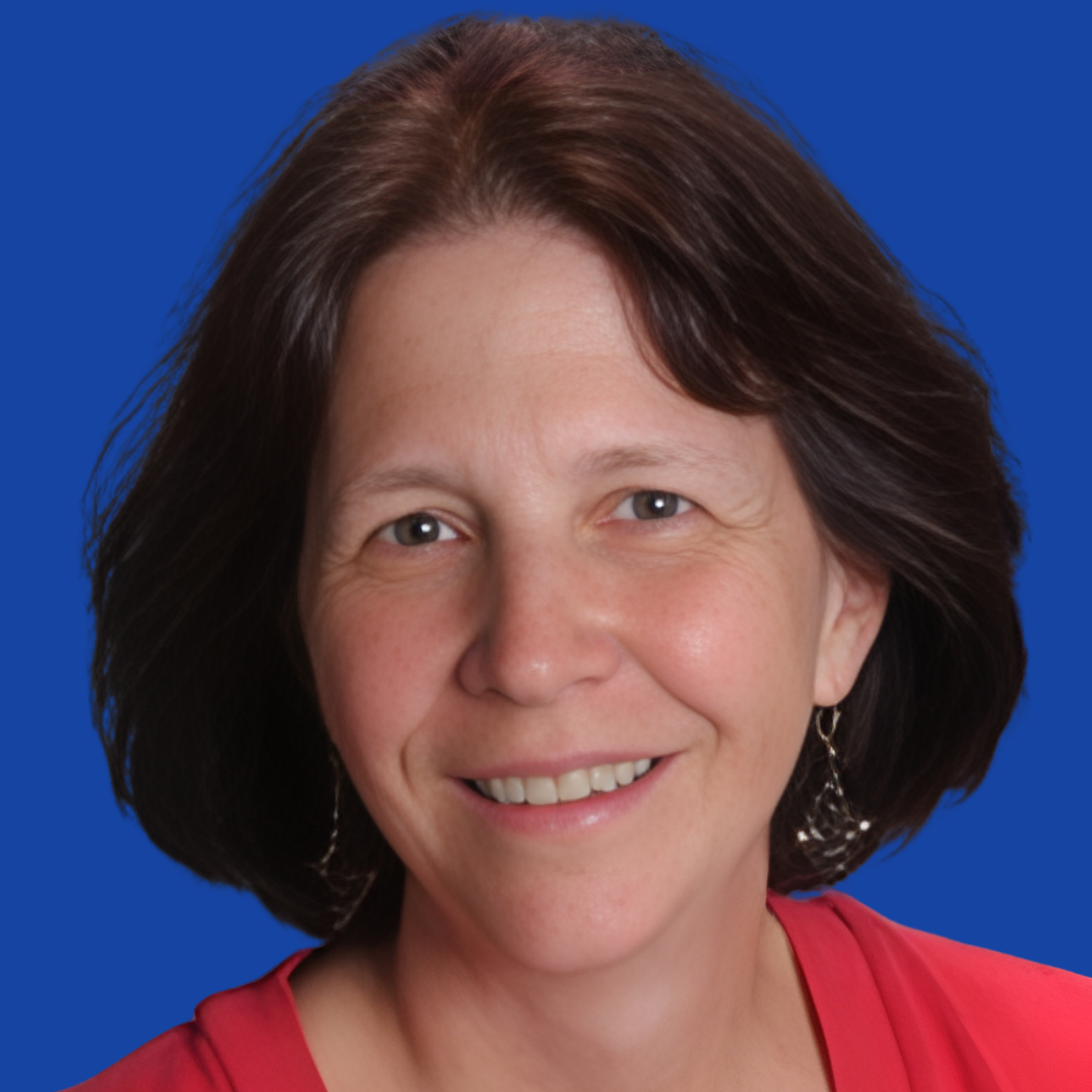
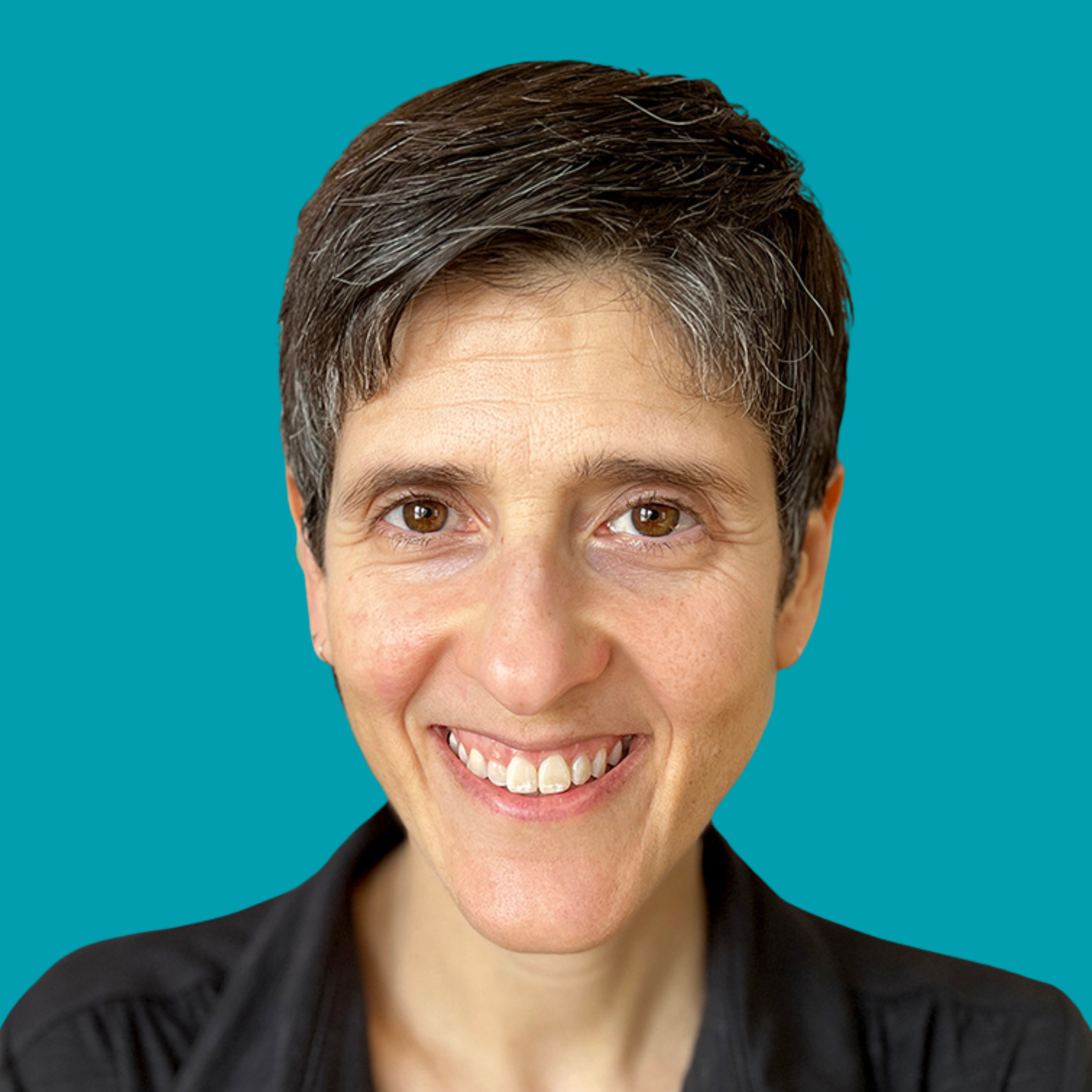
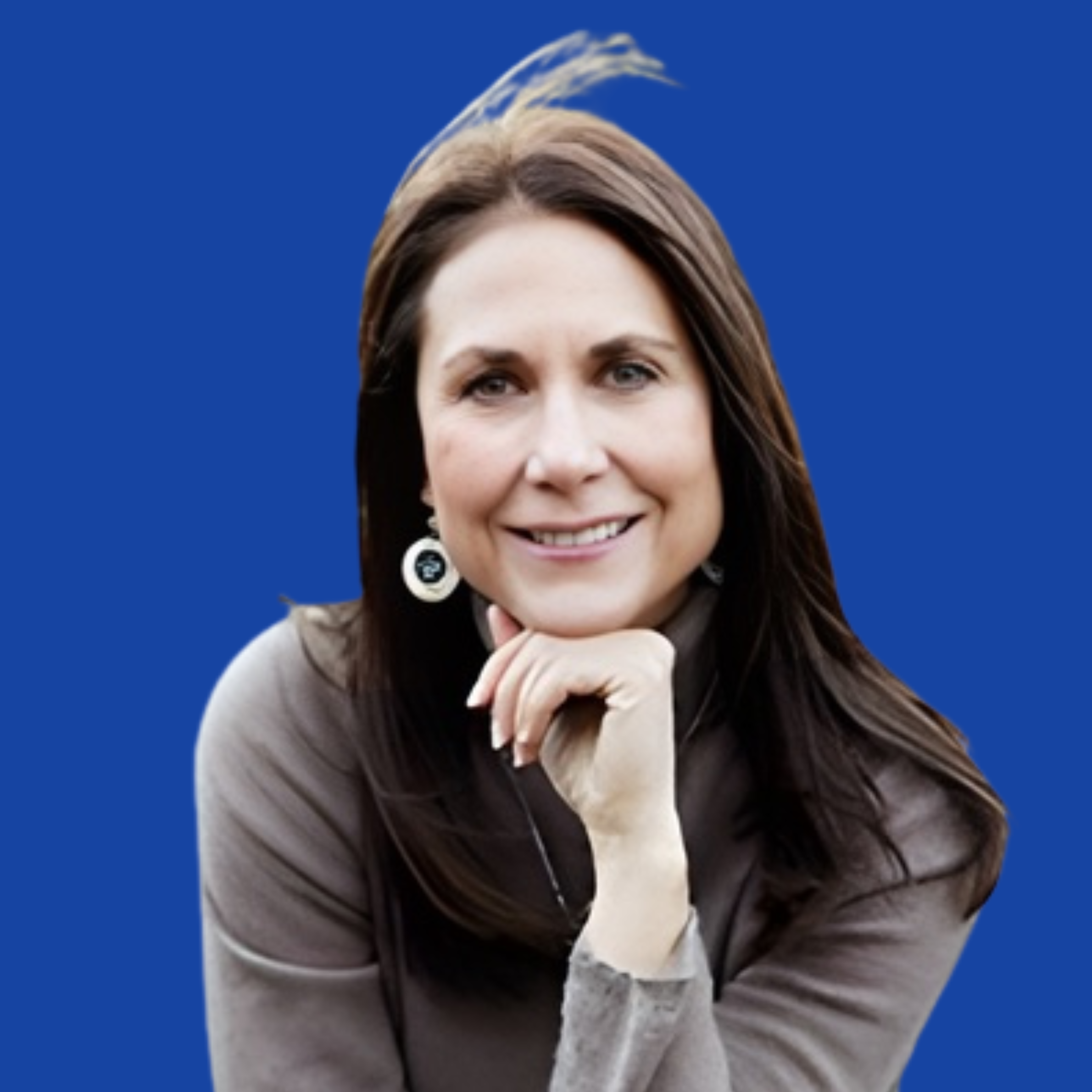
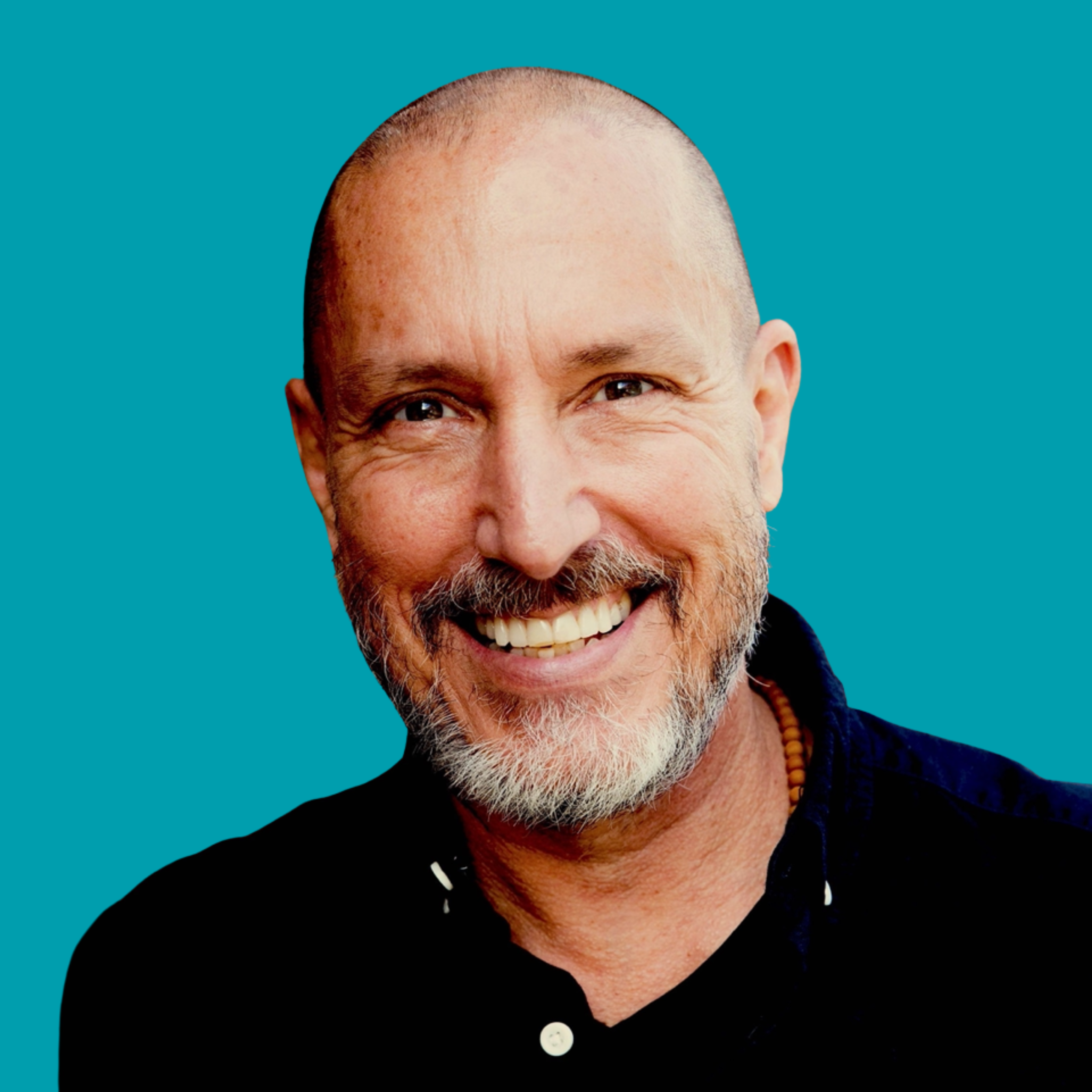
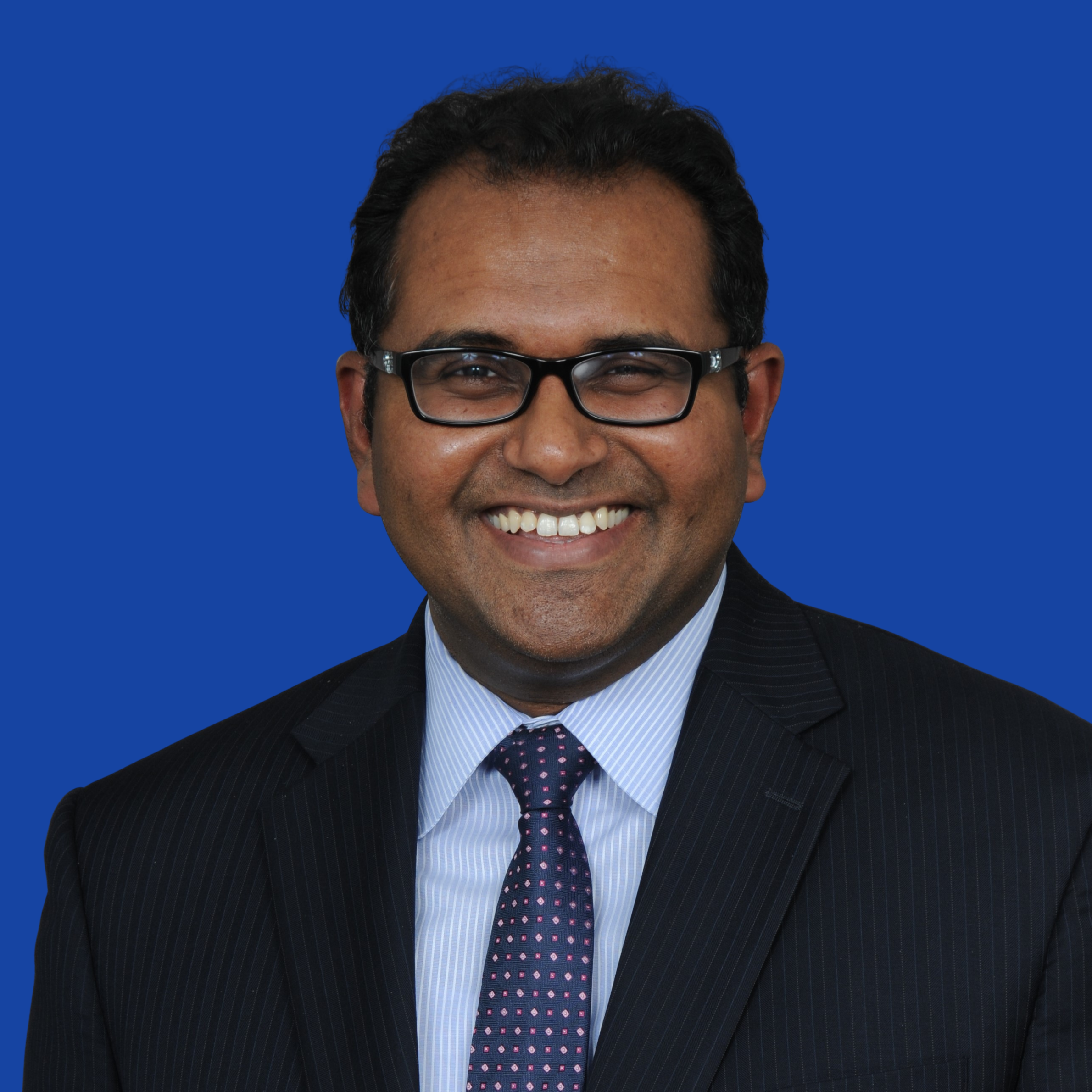
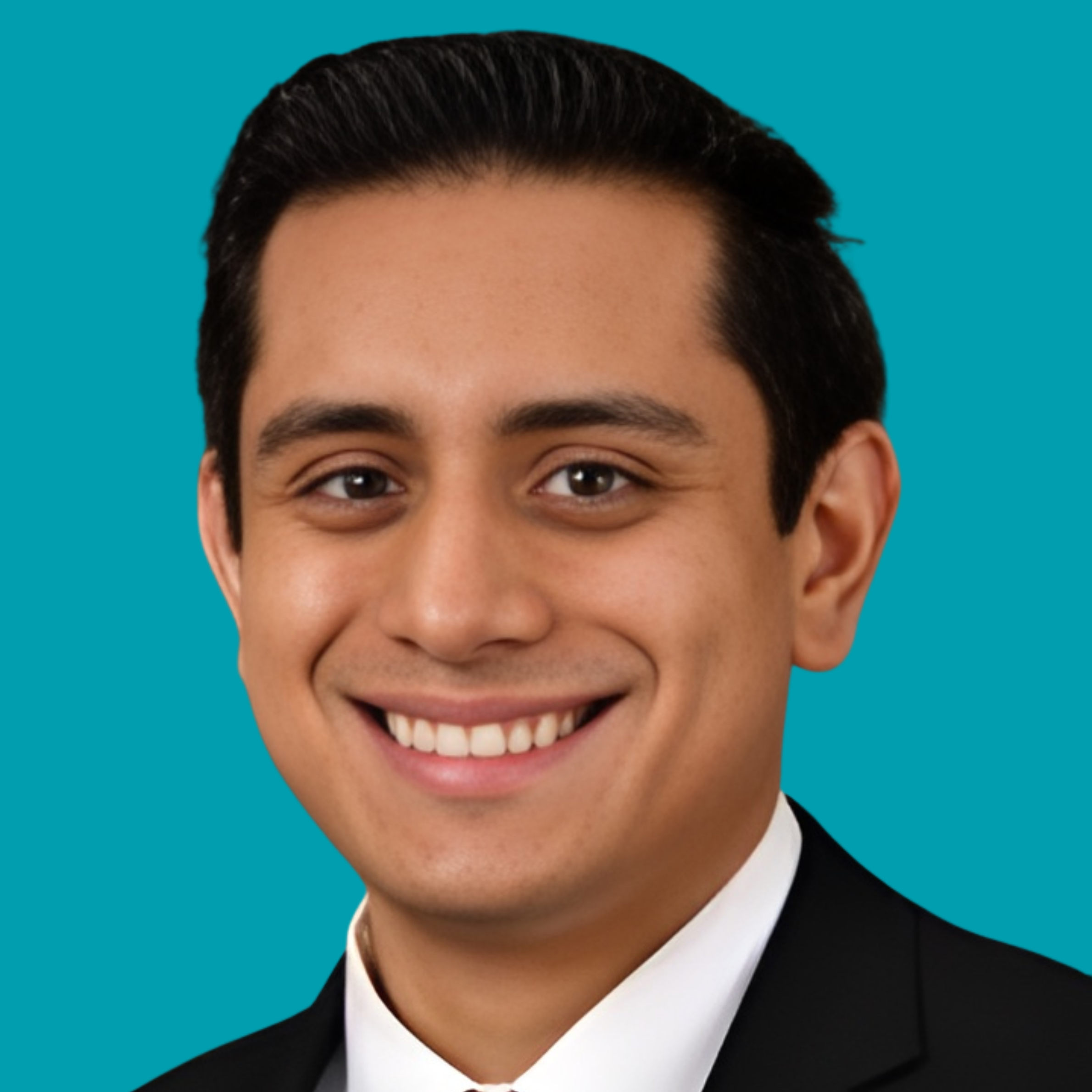
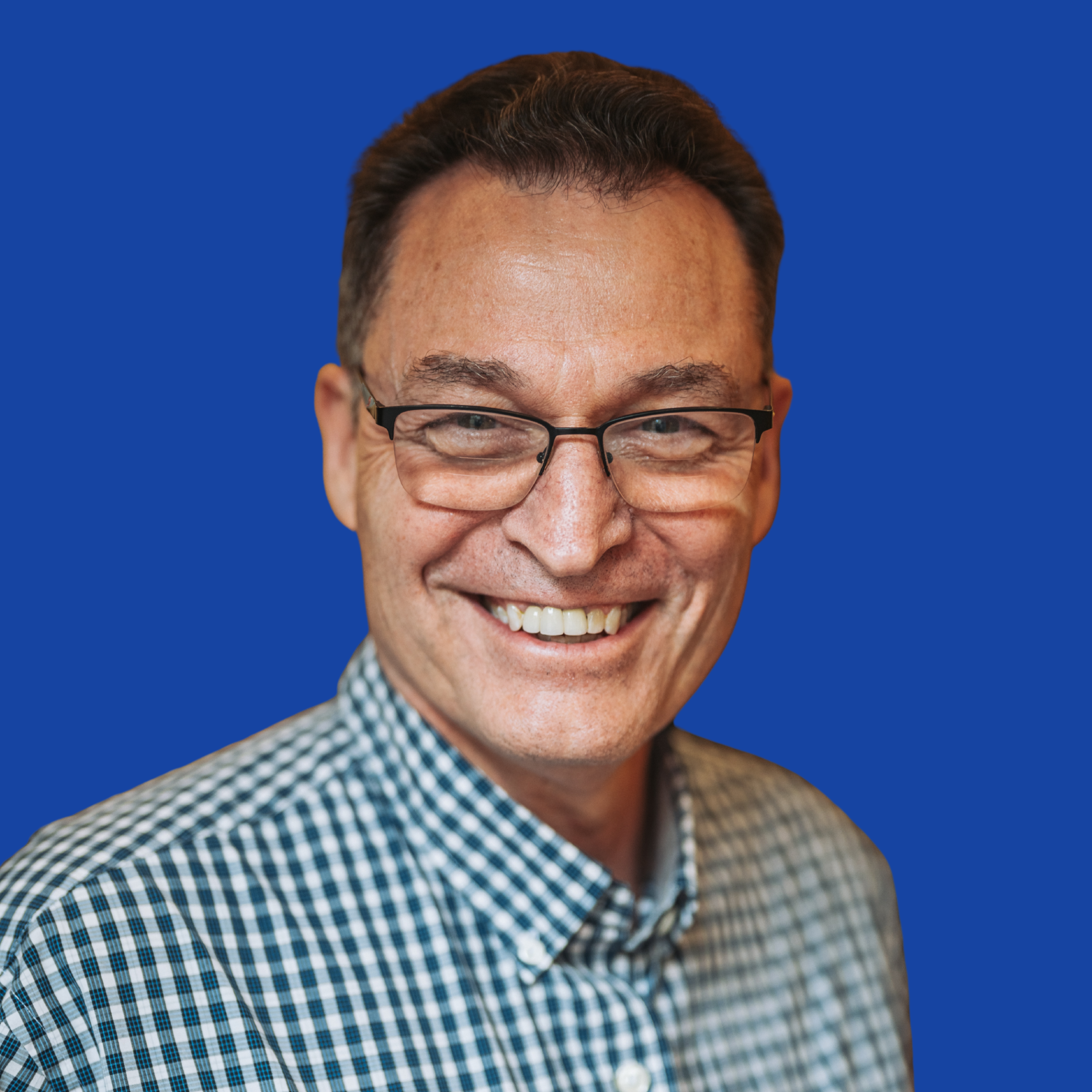
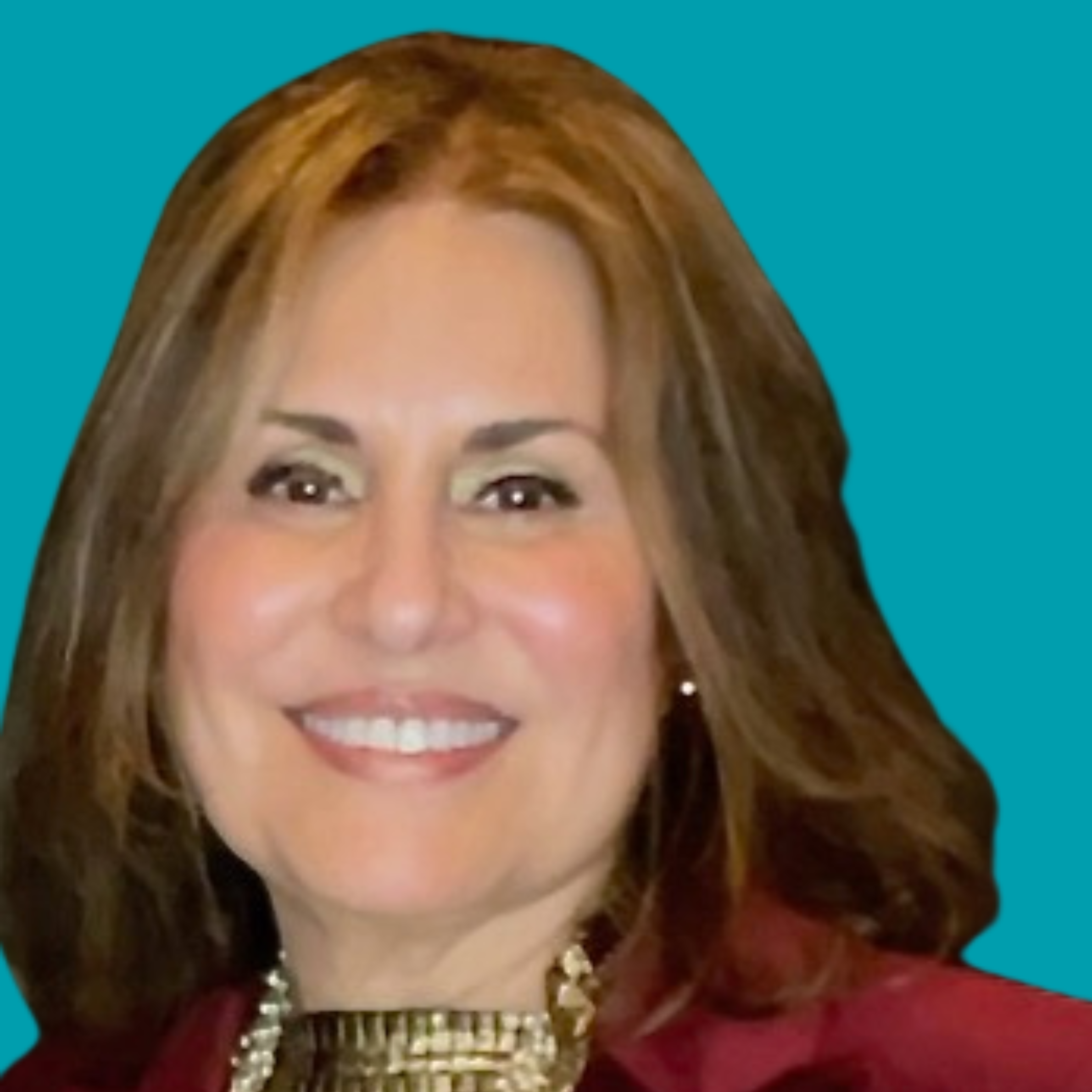
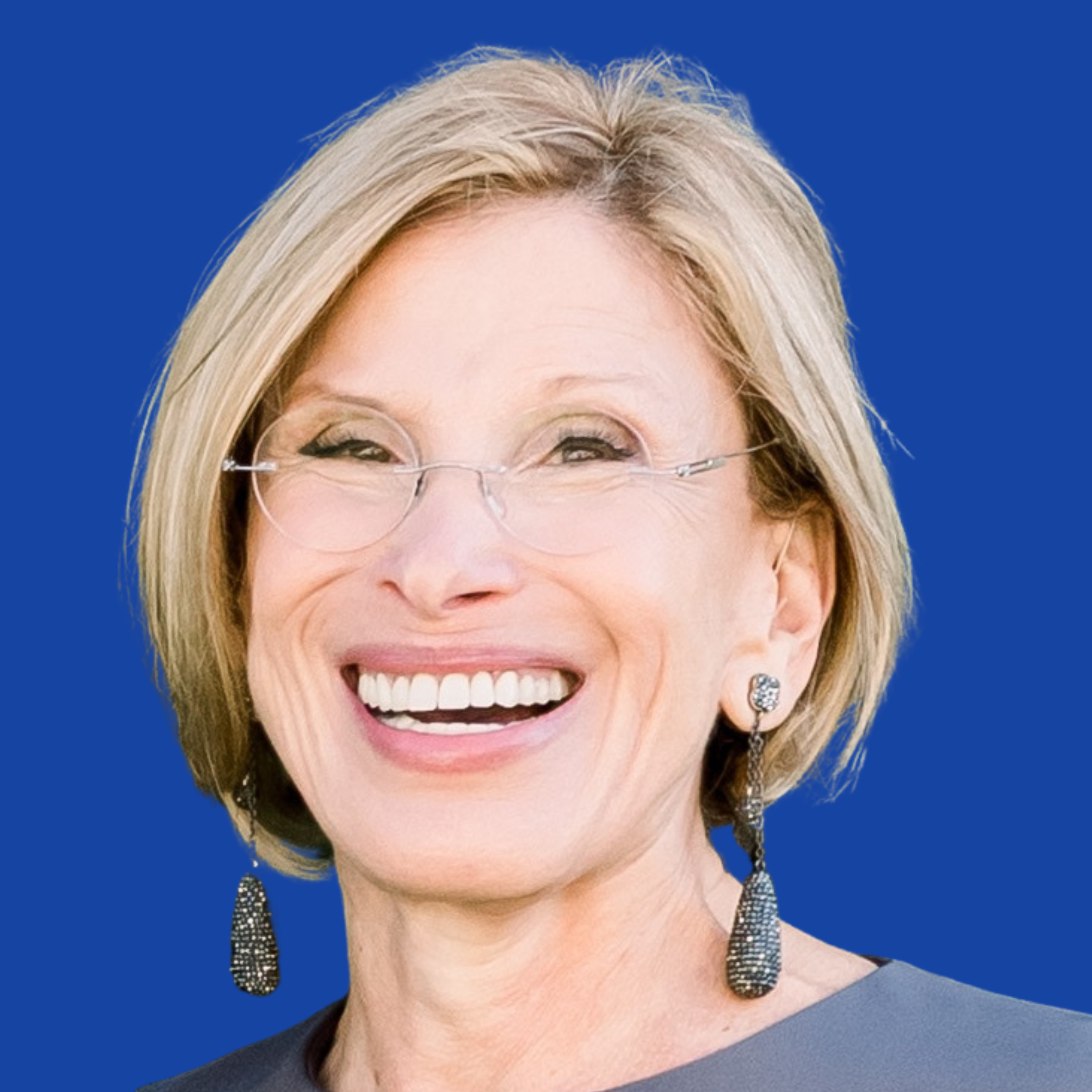
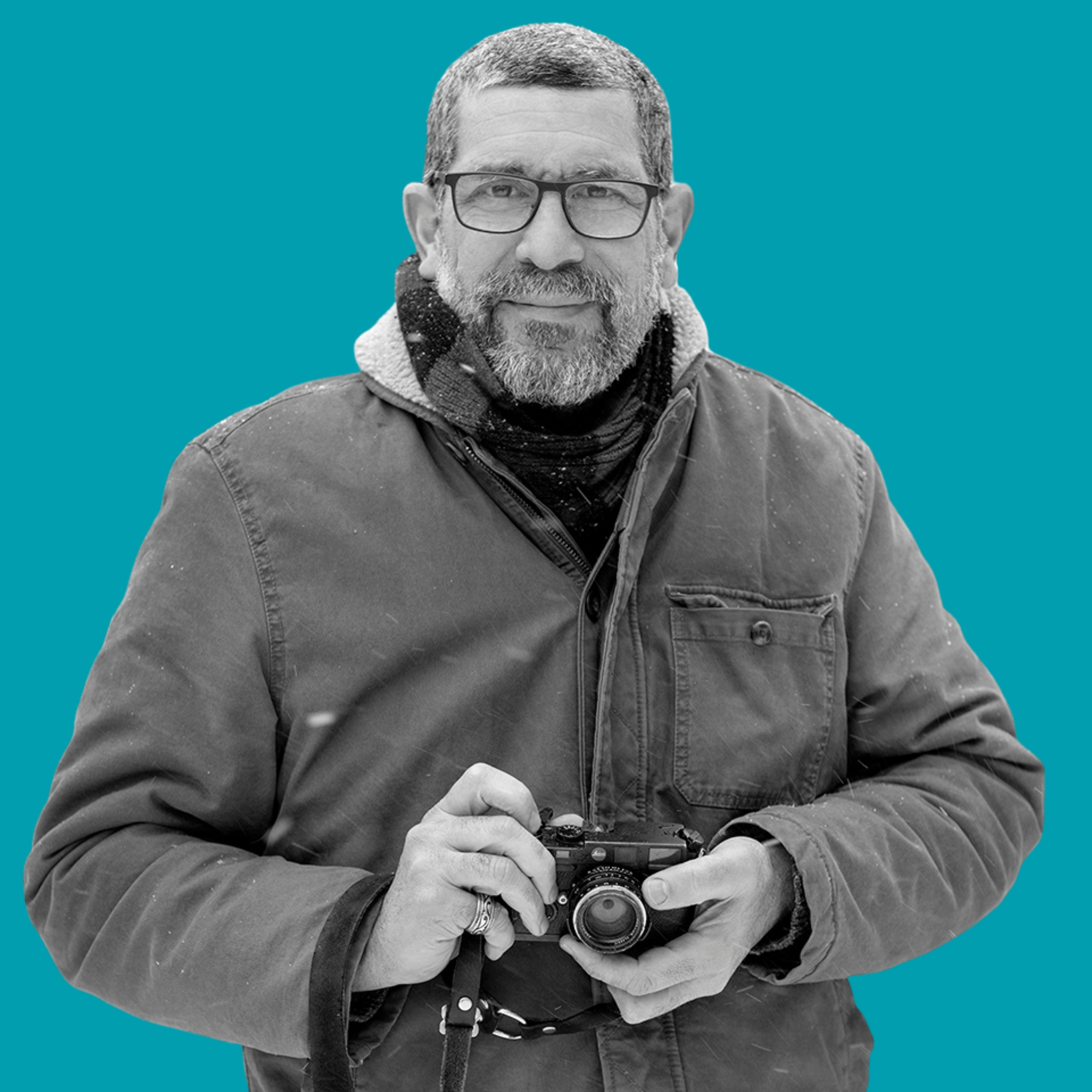
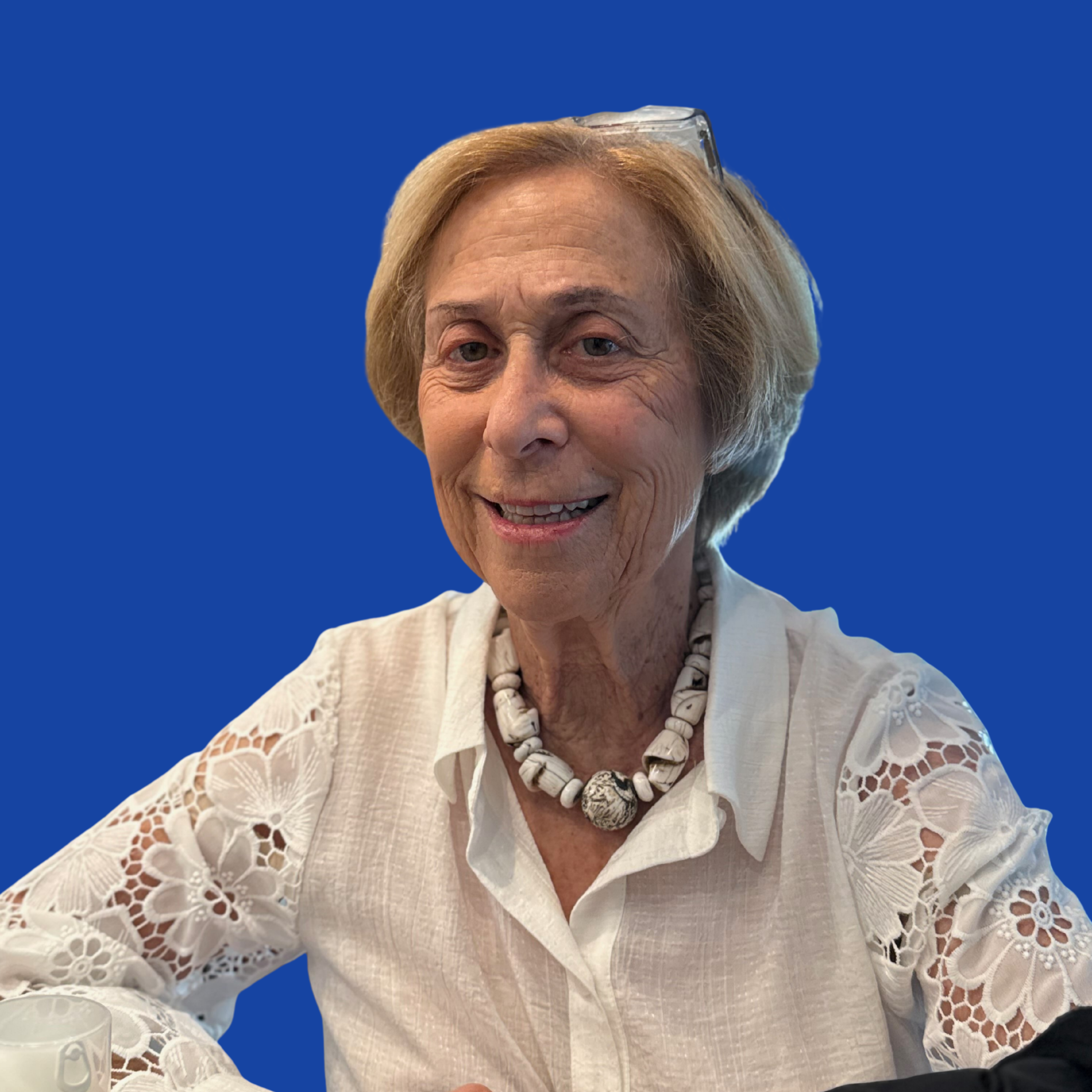
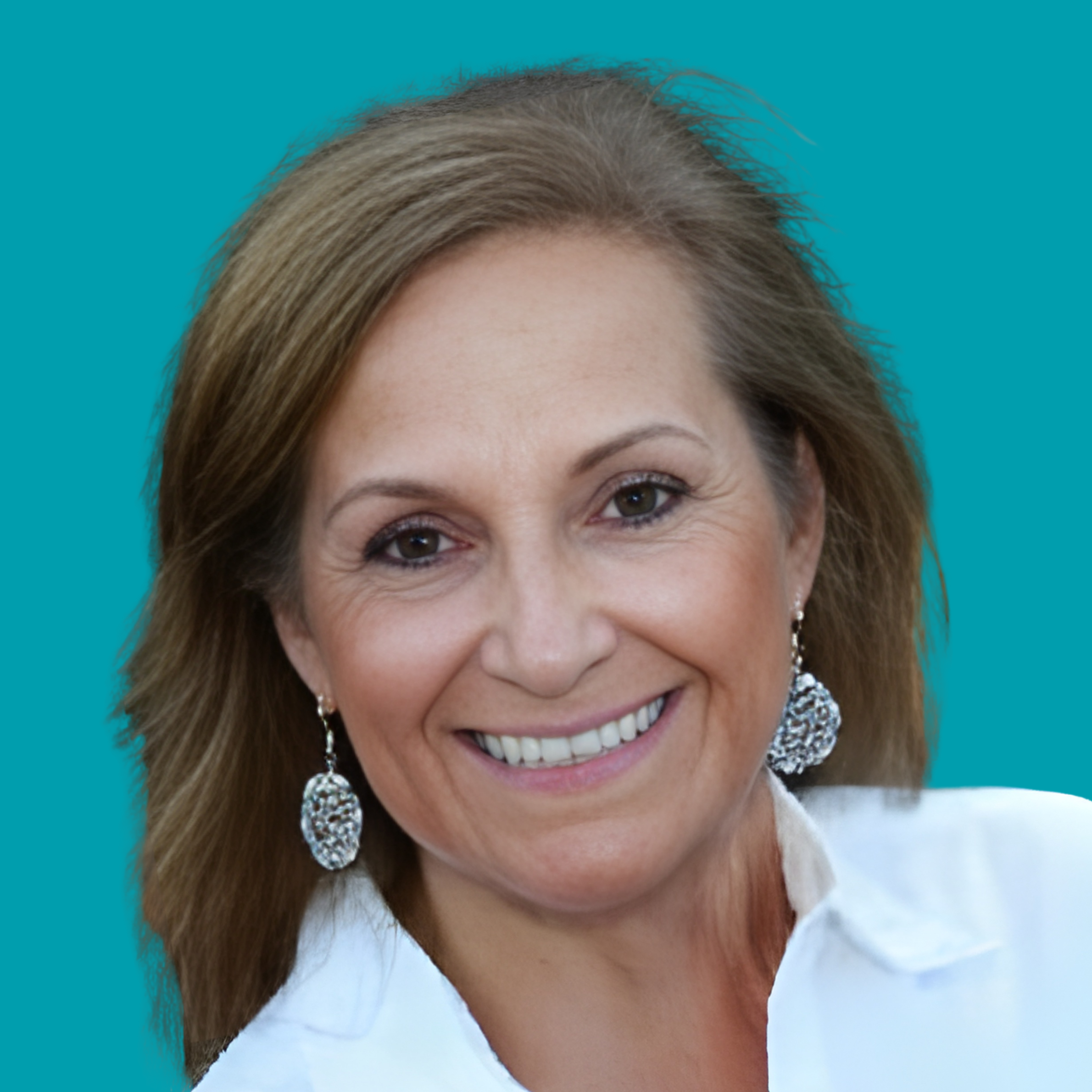
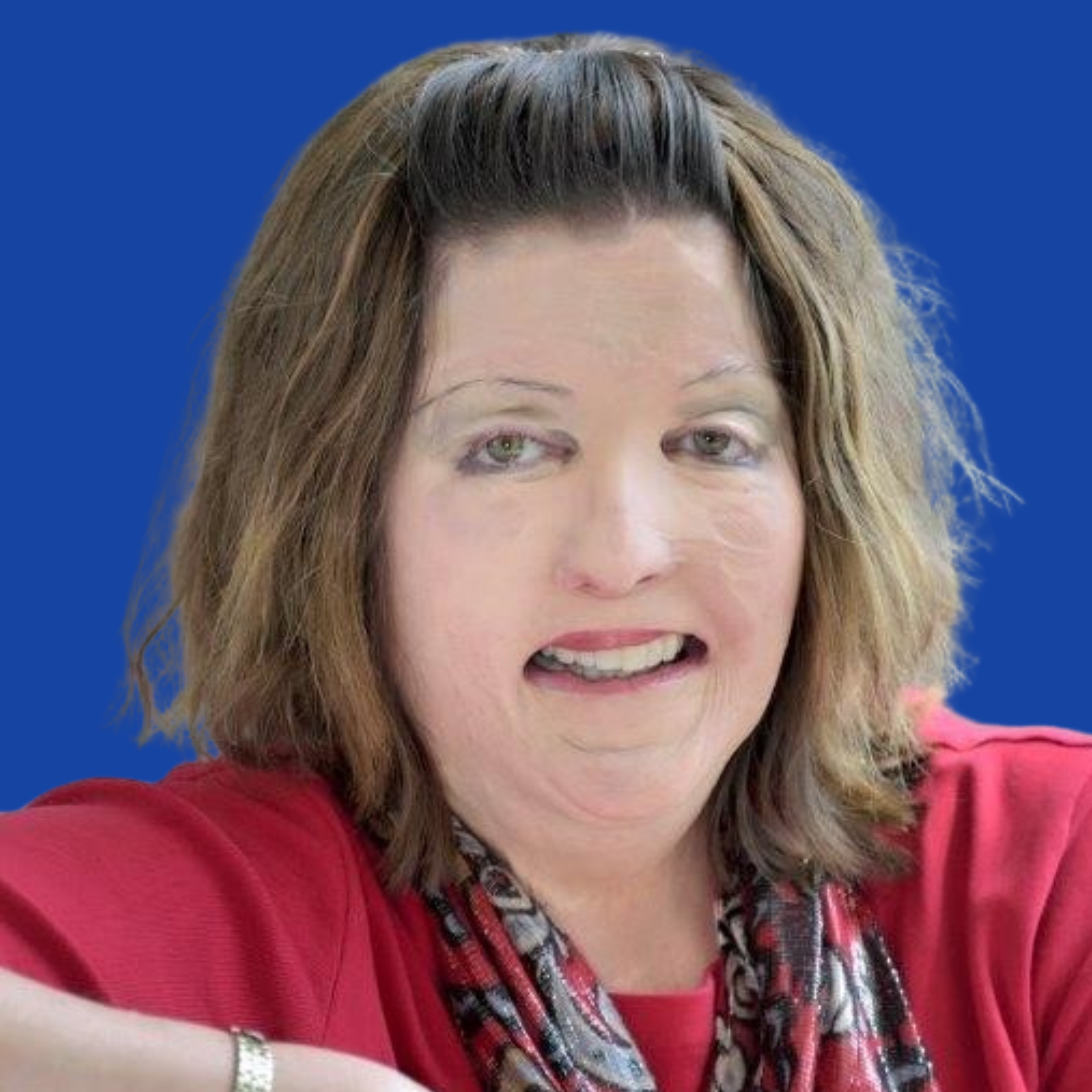
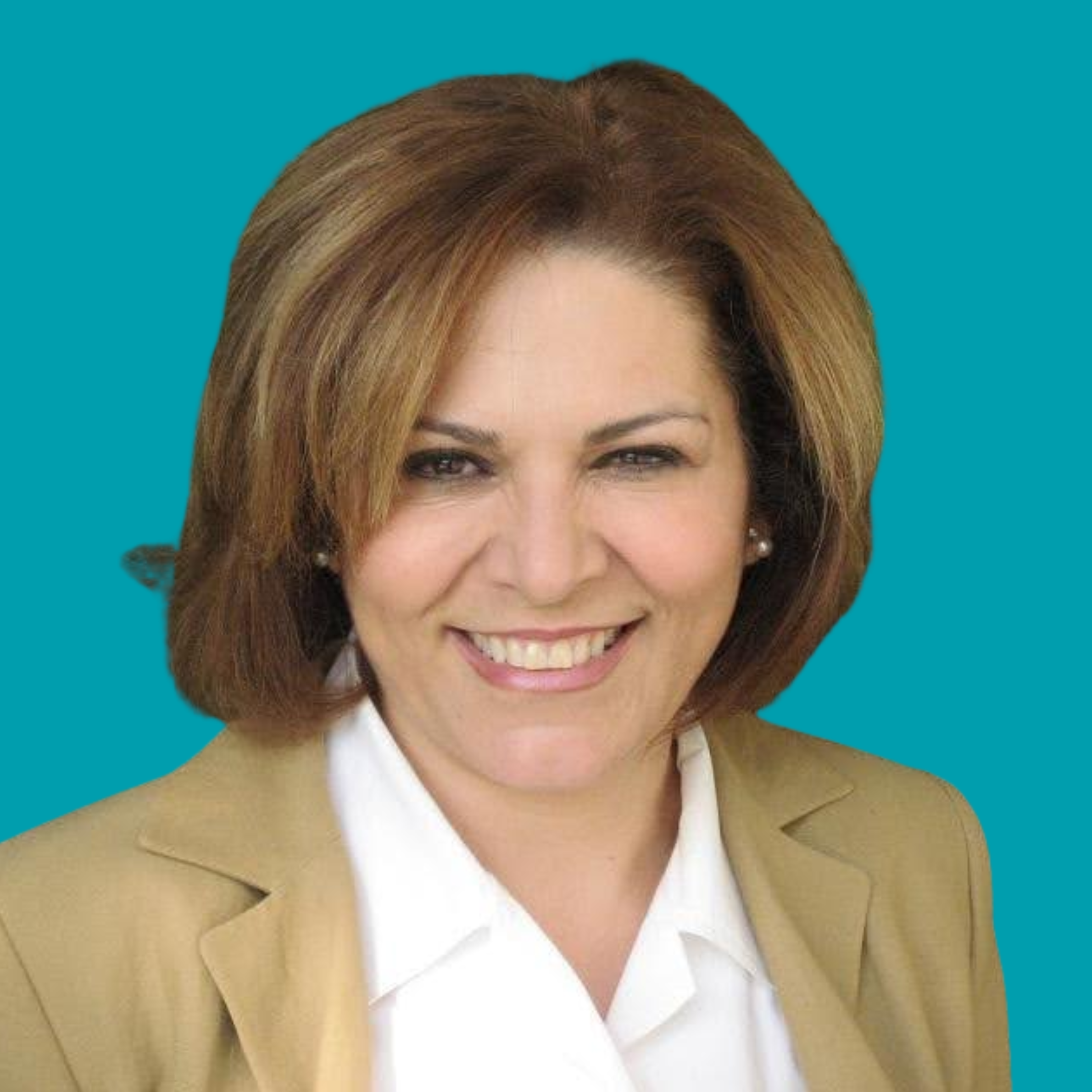
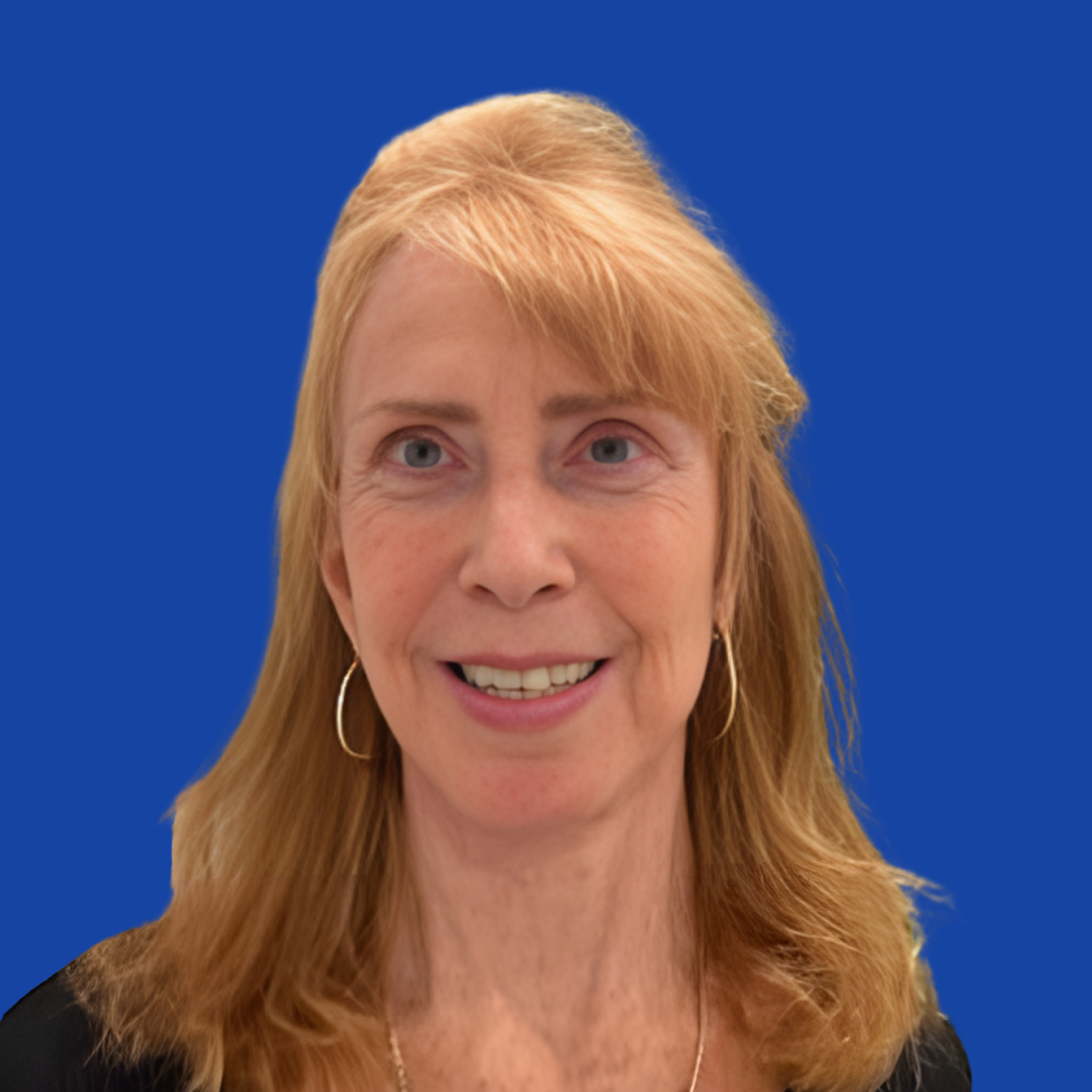
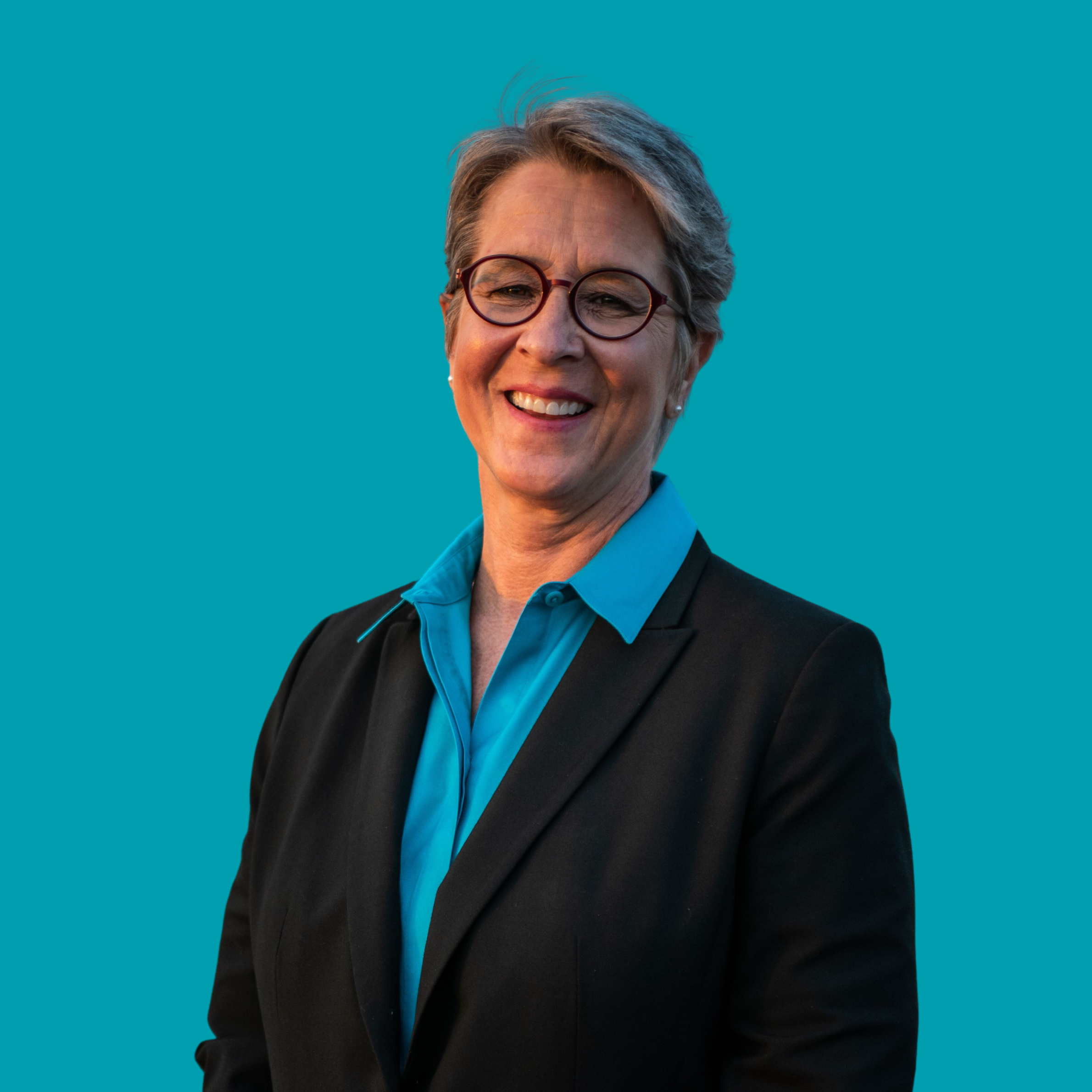
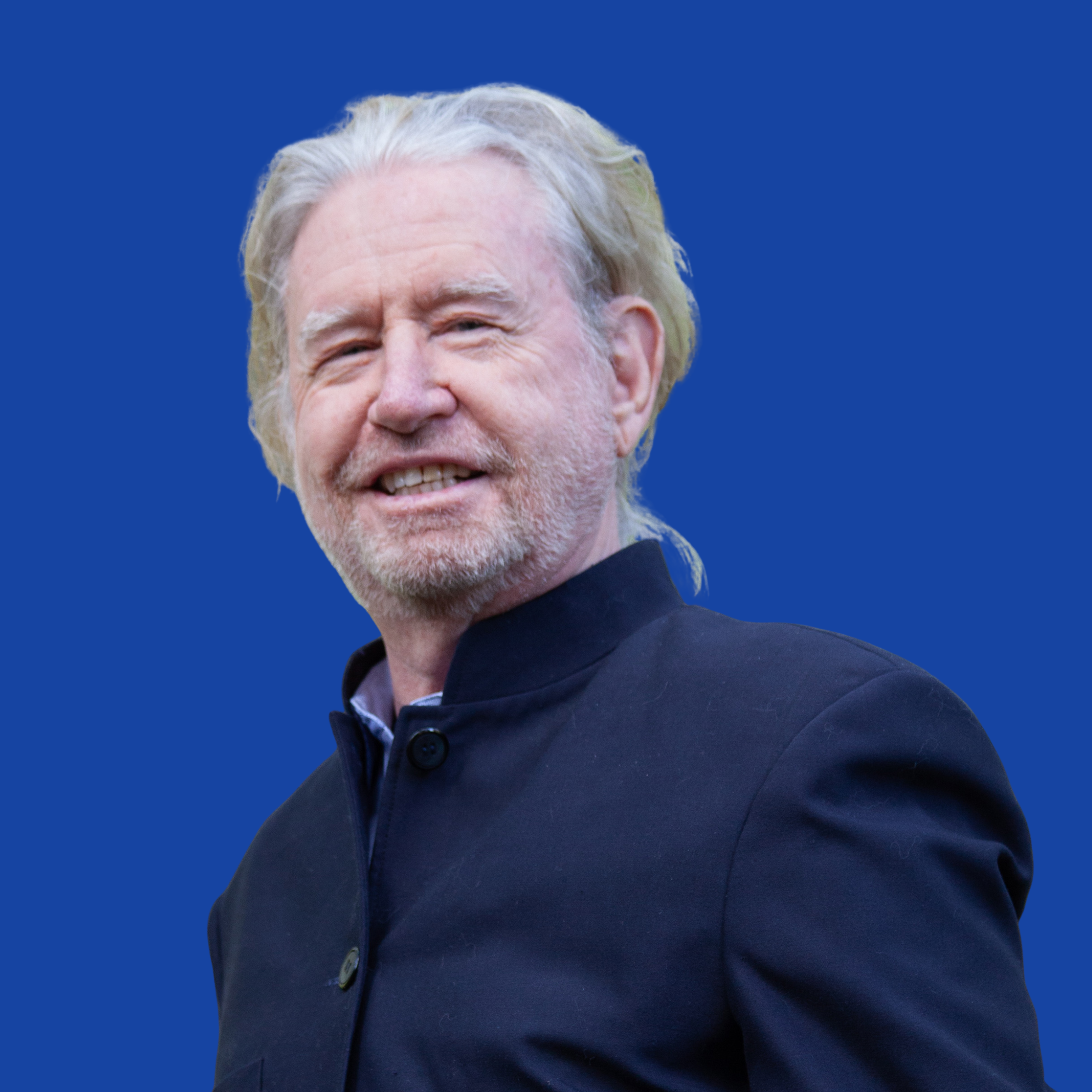
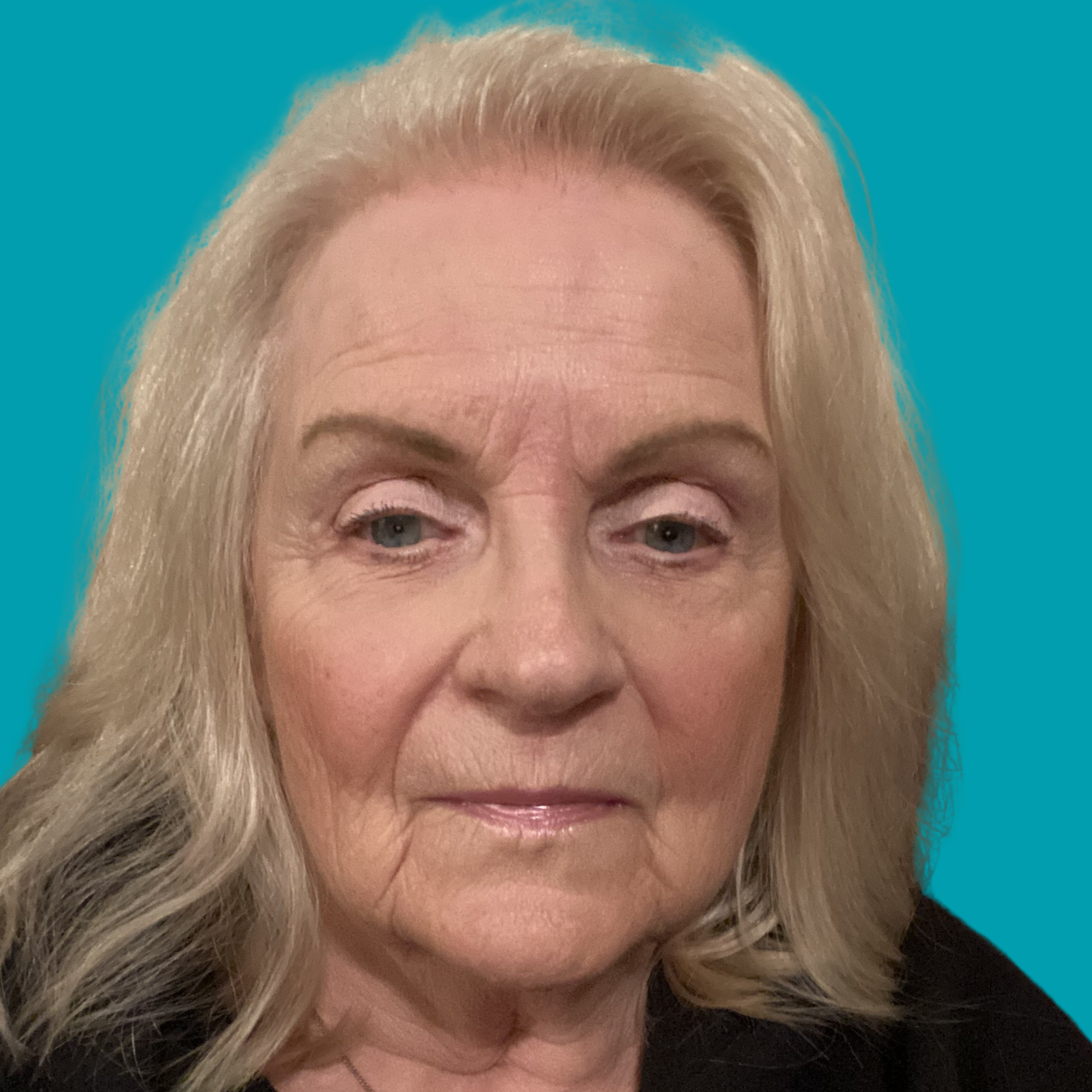
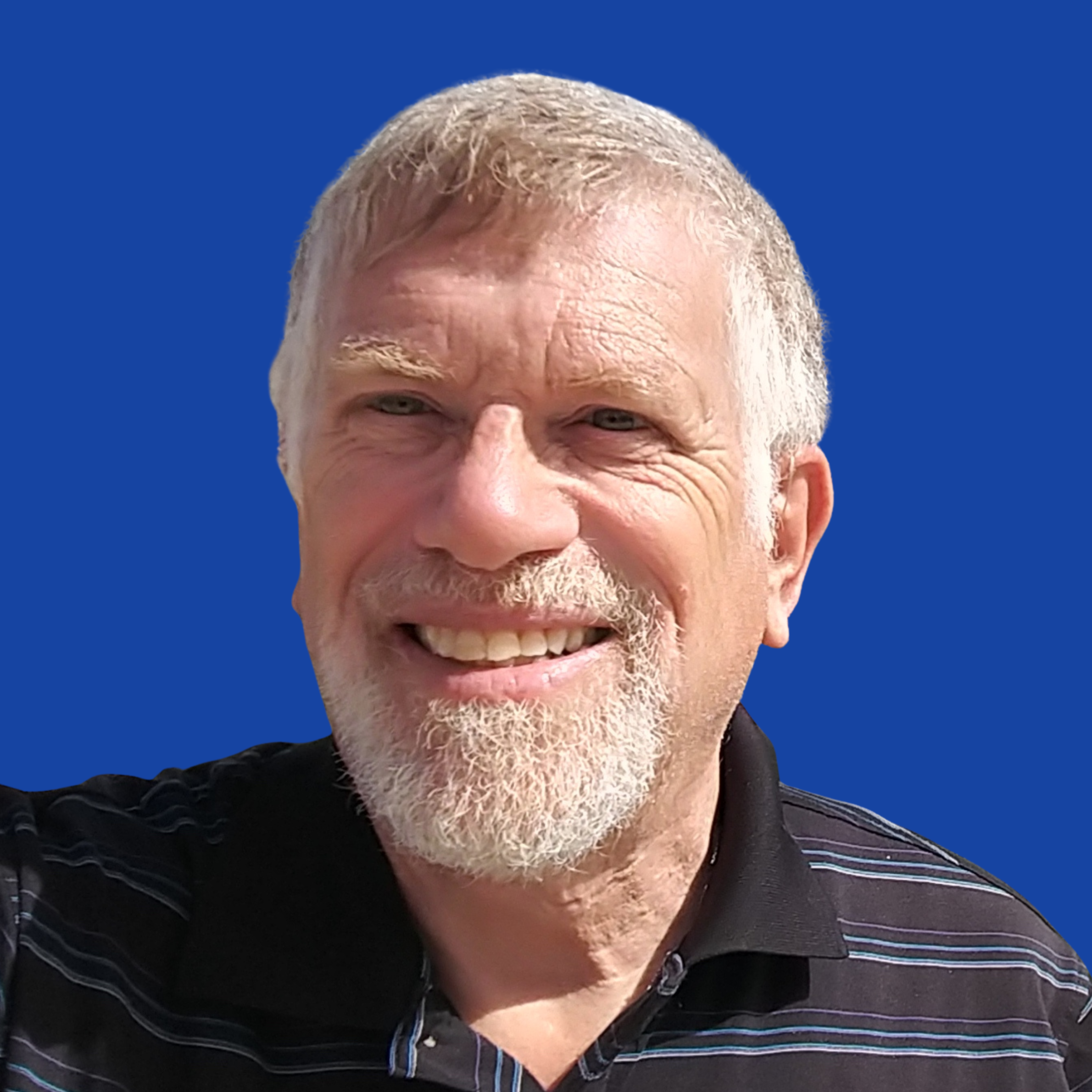
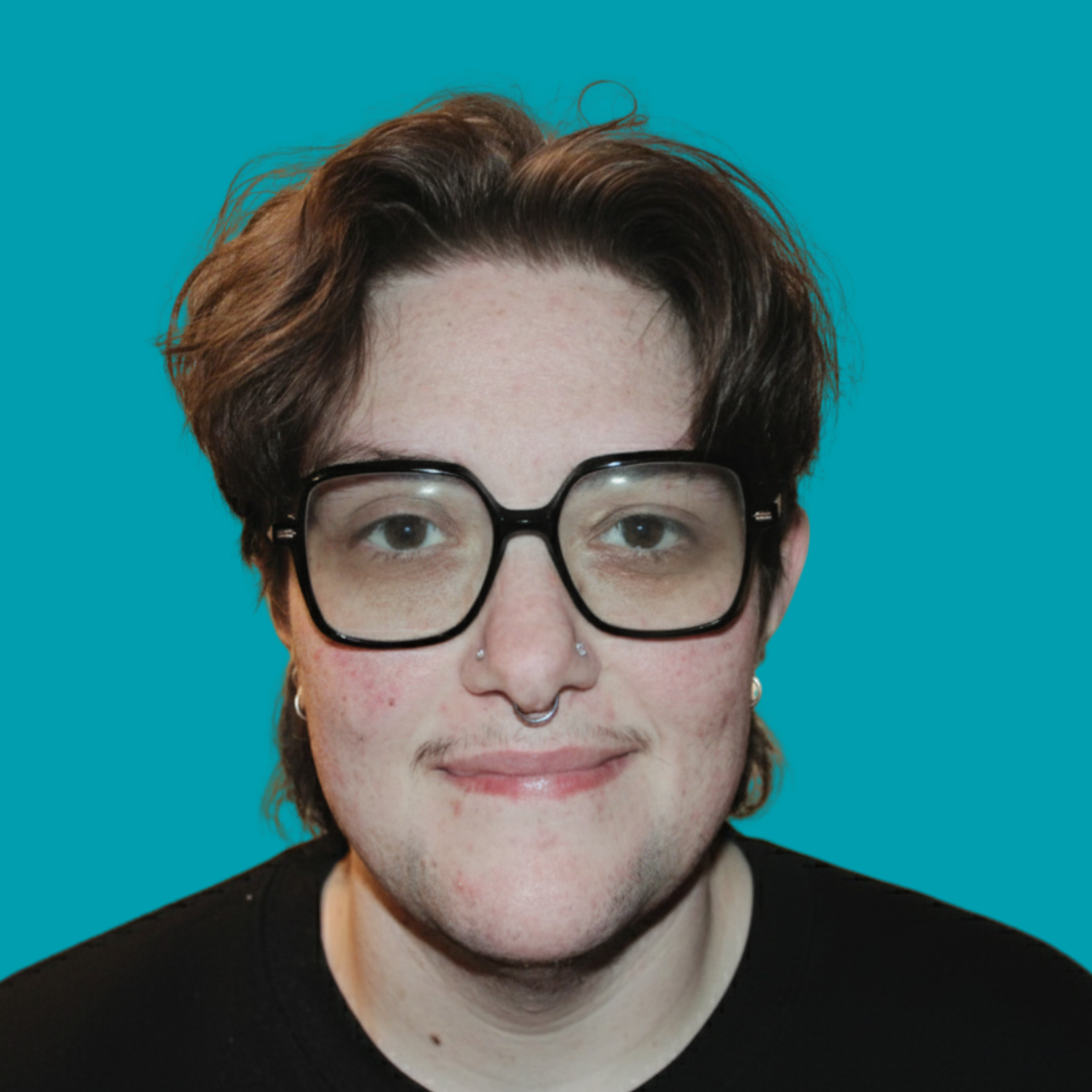

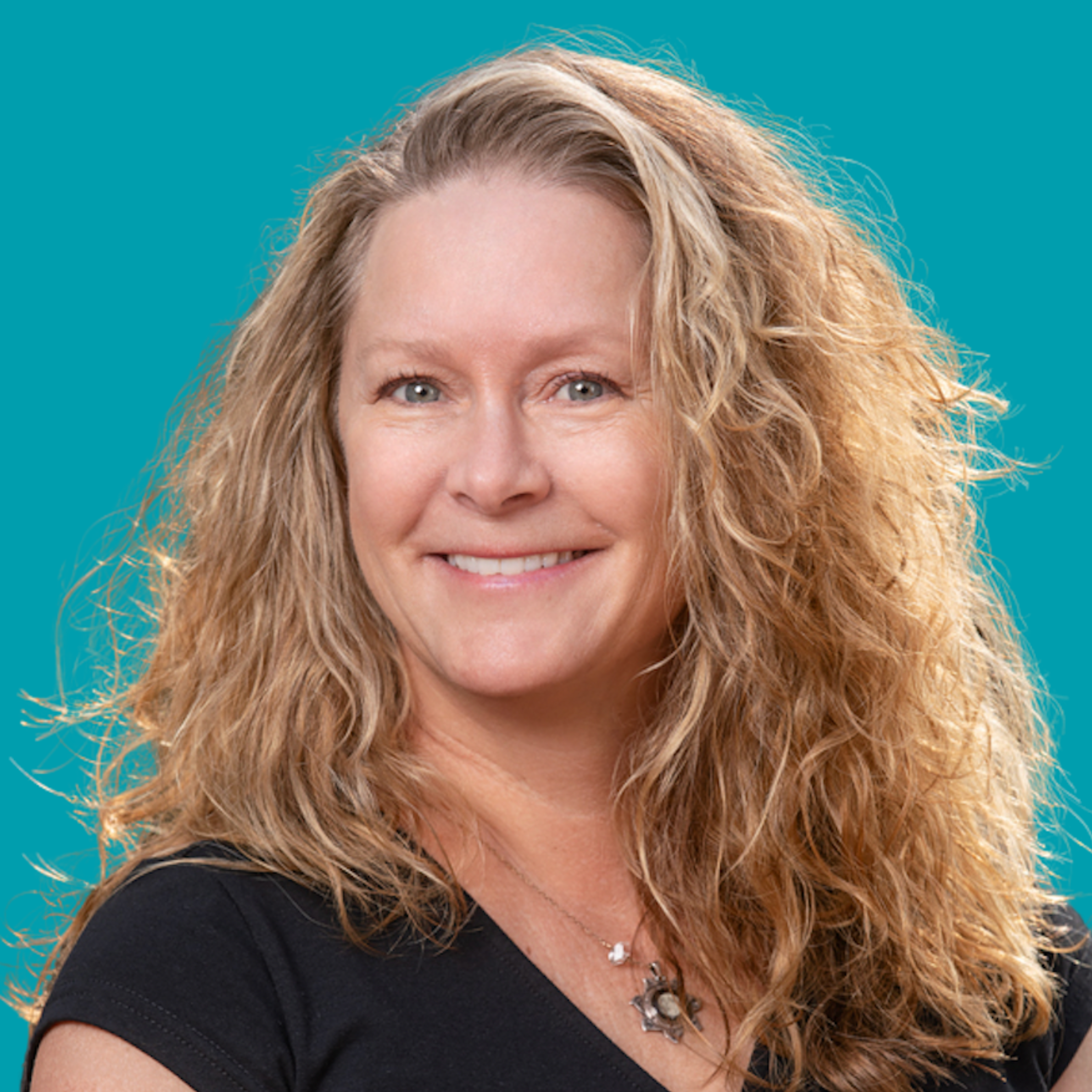
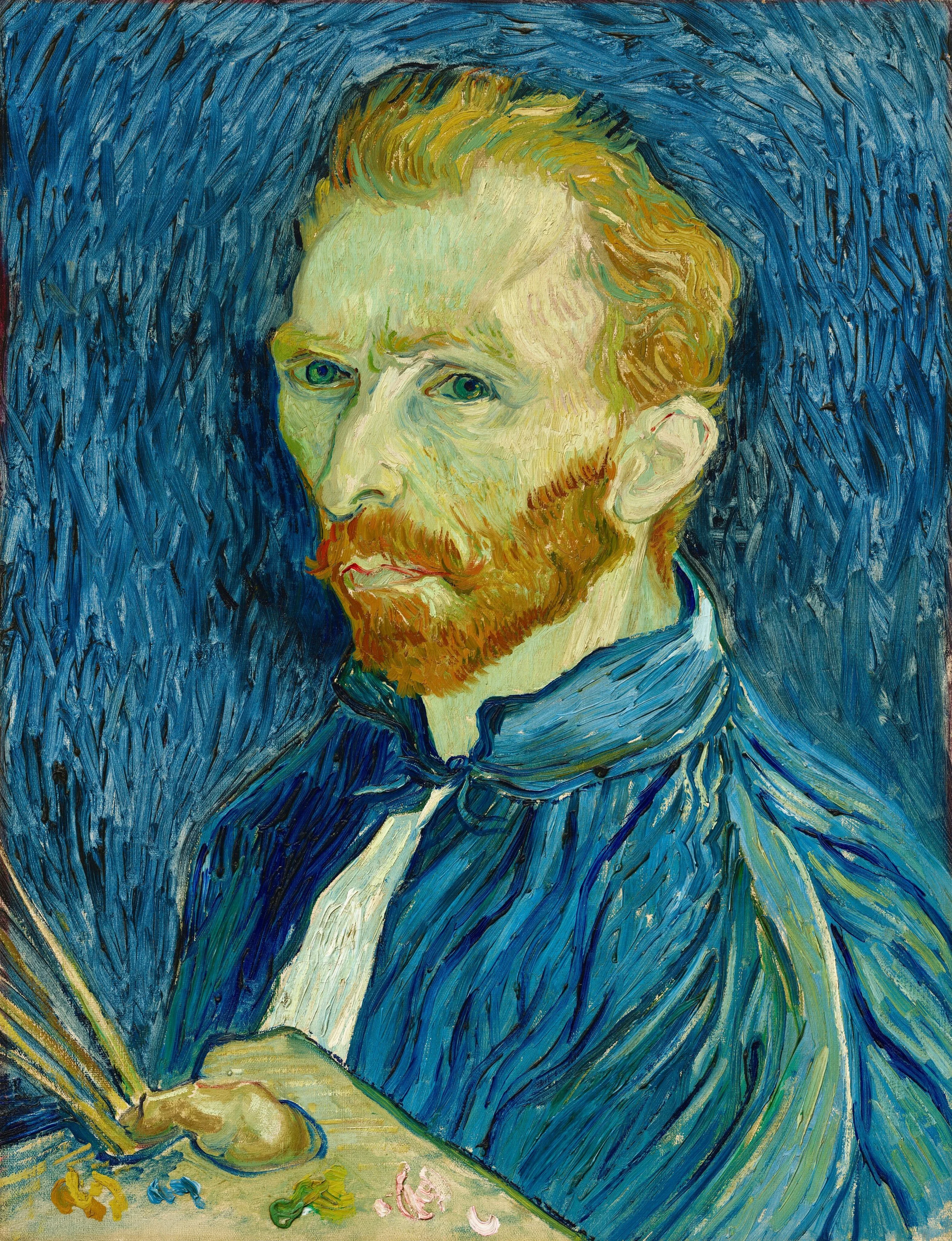
Self-Portrait (1889)
Vincent van Gogh
For the Clinician Who Wants
Soul-Enriching CE/CME
Creativity and Madness® CE/CME programs are thoughtfully crafted for health care professionals who desire continuing education that is both clinically relevant and personally enriching. Our courses blend cutting-edge psychological theory, neuroscience, and evidence-based best practices with the transformative power of creativity and the arts. Our programs deliver education that is engaging, practical, and inspiring.
Who Participates?
Our attendees include psychologists, psychiatrists, physicians, nurses, social workers, marriage and family therapists, counselors, naturopathic and integrative providers, allied health professionals, artists, healers, and lifelong learners from around the globe.
Sessions are designed to support clinical excellence, fulfill continuing education requirements, and honor the whole learner, mind, body, and creative spirit.
An Educational Experience
The Creativity and Madness® Live Virtual CE/CME Conference convenes internationally acclaimed health care experts, educators, therapists, and master storytellers to explore the dynamic intersections of psychological theory, clinical practice, and creativity.
Topics may include:
Psychological studies of art and artists
Neuroscience and evidence-based clinical care
Somatic and Indigenous healing traditions
Metabolic health and integrative medicine
Spirituality, creativity, and energetic approaches to healing
Best practices
Sessions inspire reflection, thoughtful dialogue, meaningful engagement, and both personal and professional growth.
A 45 Year Tradition of Excellence in Education
For more than four decades, Creativity and Madness® has fostered a multigenerational professional community, engaging tens of thousands of health care providers and lifelong learners worldwide.
Our live virtual format creates unique opportunities for connection, interdisciplinary exchange, and shared inquiry, bringing together presenters and participants from diverse disciplines, cultures, and locations worldwide.

Woman with a Parasol - Madame Monet and Her Son (1875)
Claude Monet
This educational activity is designed to enhance professional knowledge and clinical understanding. Participation does not imply endorsement of specific therapeutic modalities or approaches.
Important Accreditation Notes
ACCME | APA | ASWB | AMA PRA Category 1 Credit™
CE/CME credit is awarded only for sessions attended live or viewed in full via the enduring format, in accordance with accreditation requirements.
Credit is issued upon completion of required evaluations.
Partial credit is awarded where applicable.
Cancellation Policy
Cancellations made on or before April 1, 2026 will receive a full refund, minus credit card processing fees.
If you cancel between April 2 and May 31, 2026, you will be refunded all but $100, plus credit card processing fees.
After June 1, 2026, no refunds are available.
Stay Connected