

Description
For thousands of years, contemplative practitioners have discovered that sitting in stillness and presence does something unexpected: it generates creative expression of unusual depth and beauty in the form of poetry.
From the dohas of medieval North India to the enlightenment songs of Tibetan masters, from the verse of Chinese monk-poets to the death poems of Zen teachers, this connection runs through the heart of every major contemplative tradition. The poem emerges from within the meditation rather than being added to it.
What all of these traditions share is a realization that the practice of meditation opens up a quality of perception, a kind of attention, and a relationship to language distinct from ordinary consciousness.
Drawing on a lifetime of Buddhist contemplative study, the neuroscience of stillness, and direct experience of the practice, Polly Ryan and Robert Thomas will explore sitting as a fundamental human creative act, one with deep centuries-old roots, urgent contemporary relevance, and the capacity to generate meaning, connection, and beauty in an increasingly fragmented world.
This presentation introduces a contemporary practice of sitting together and collective poetry, a living experiment in how pausing intimately together with others creates the conditions for shared expressive emergence.
Learning Objectives
Upon completion of this session, participants will be able to:
Describe the relationship between meditation practice and poetic expression in contemplative traditions.
Describe the psychological and physiological benefits of stillness and mindful presence for both helping professionals and clients.
Explain neuroscientific findings that support creativity emerging from contemplative stillness.
Apply the practice of sitting together and collective poetry in clinical or group settings.
The Sacred Pause and the Poetic Field, Polly Ryan, LMFT & Robert Thomas) (1 hr)
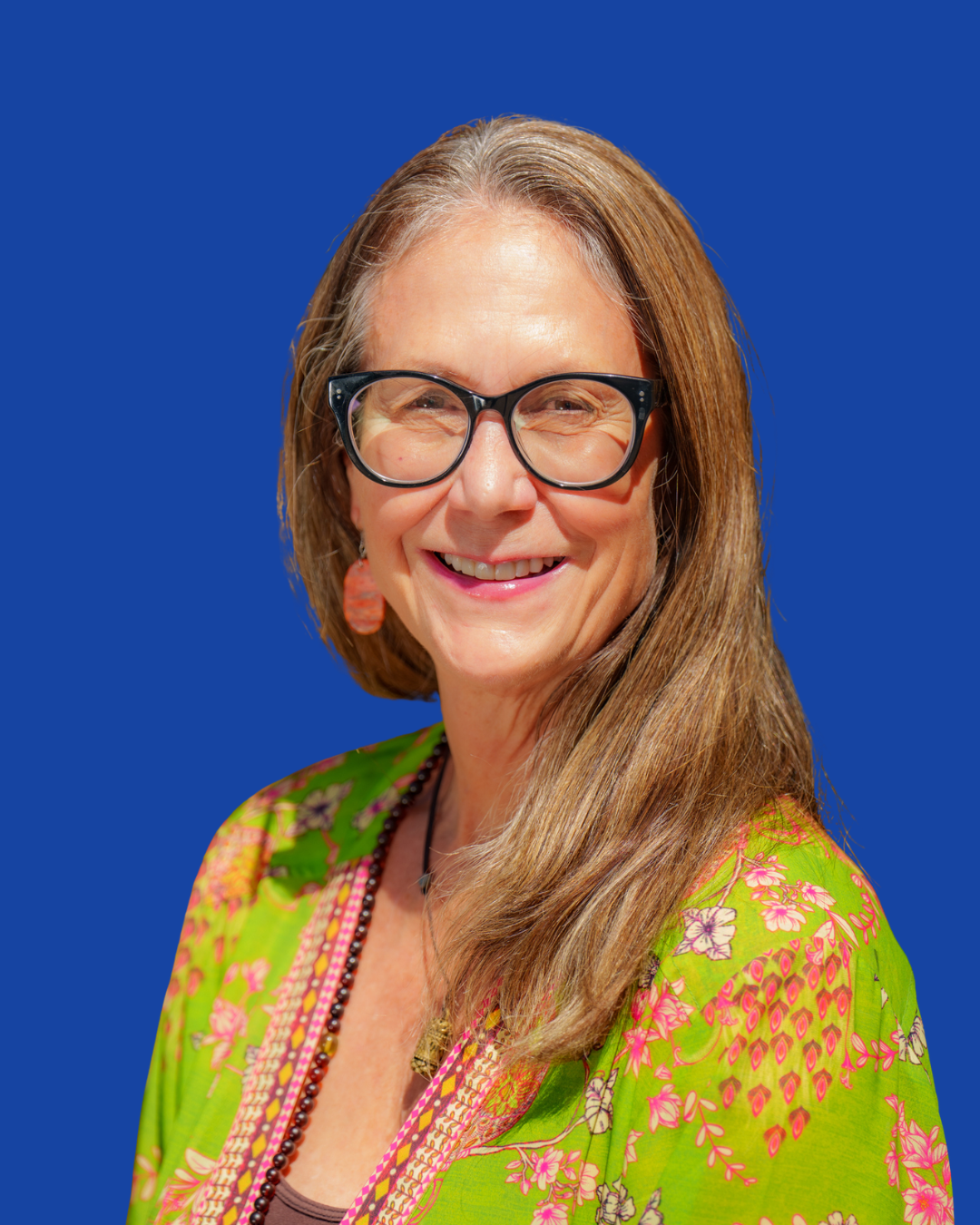
Polly Ryan is a licensed marriage and family therapist, meditation teacher, and grief educator based in Truckee, California and Santa Fe, New Mexico. She holds degrees in music performance, music therapy, and counseling psychology and has been a licensed therapist in California and Nevada for over 40 years. She is the founder of InnerAction Therapy, offering counseling and personal development to individuals, couples, and families.
Polly’s clinical approach is trauma-informed and integrative, drawing on EMDR, somatic awareness, parts work, polyvagal theory, and Feeding Your Demons, a therapeutic method she is certified to teach. Her work goes beyond traditional talk therapy, combining evidence-based psychological tools with contemplative wisdom to support deep, lasting transformation.
Polly is a devoted student of Lama Tsultrim Allione and Lama Alan Wallace and has received teachings from many great Tibetan and Bhutanese teachers. She serves as a senior teacher (Lopön) and spiritual mentor at Tara Mandala Retreat Center, where she has taught numerous in-person and on-line retreats. In 2023 she co-led pilgrimages to Bhutan and India.
Polly founded the Northern Sierra and Santa Fe Tara Mandala Global Sanghas where she offers in-person and on-line practice and study. She is also co-founder of Sitting Lab with her partner, Robert Thomas, and brings to this work a lifelong commitment to the integration of contemplative practice, creative expression, and psychological healing.
After the death of her 21-year-old son in 2023, she has immersed herself in the grief work of Mirabai Starr and David Kessler and completed her Grief Educator Certificate in 2024. She created LoganIsLove!: A Mother’s Bereavement Circle as a tribute to her son’s life.
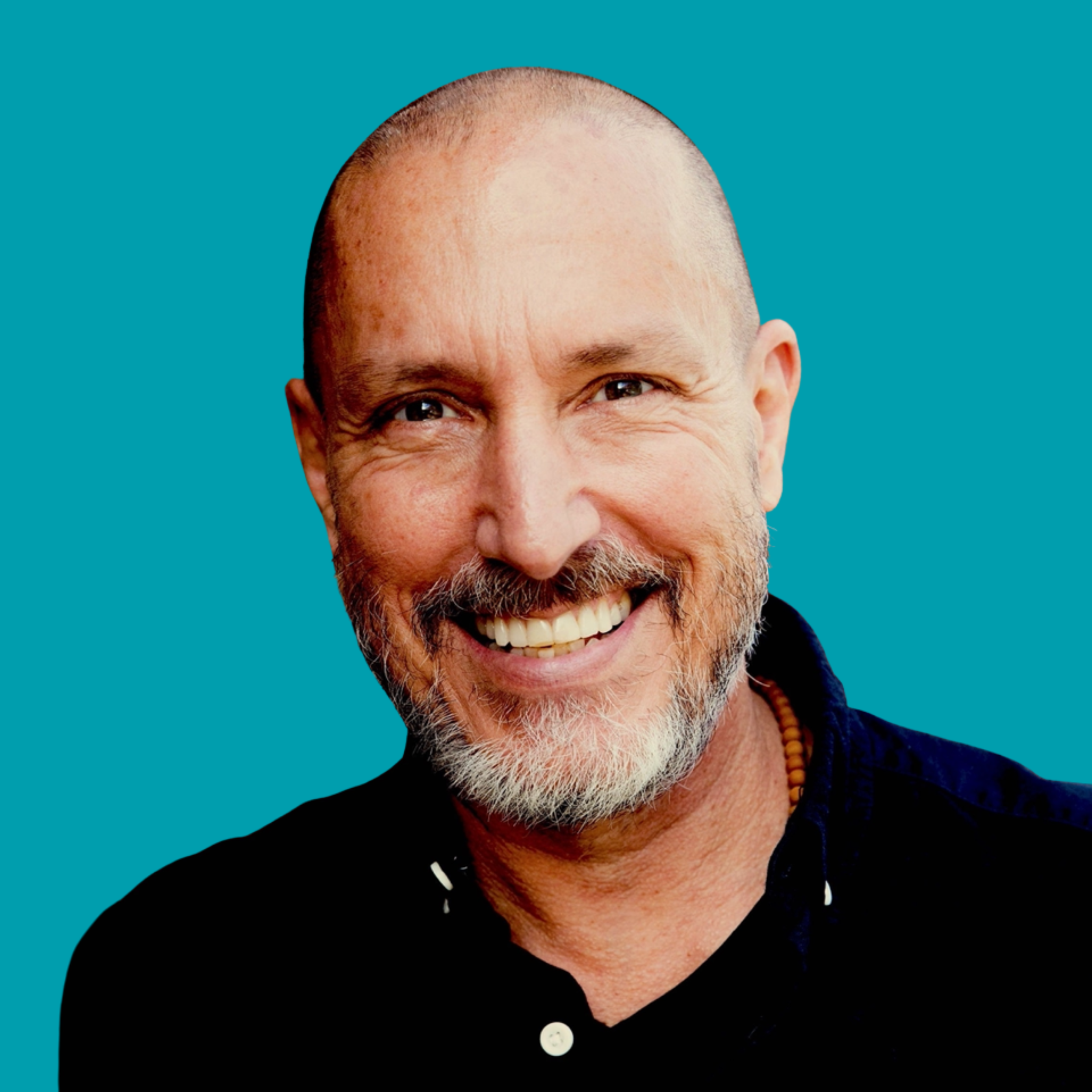
Robert Thomas began practicing meditation in 1993 as a novice monk at Wat Pah Nanachat, a renowned Thai forest monastery. He went on to dedicate his life to contemplative practice, spending six years as a monk at Tassajara, the first Buddhist monastery in America, founded by Shunryu Suzuki Roshi.
He attained the highest level of ordination in Soto Zen, receiving Dharma Transmission from his teacher, Norman Fischer, in 2009, and spent 22 years as a Zen priest and teacher-in-residence at the San Francisco Zen Center, Upaya Zen Center, and the Austin Zen Center.
Robert is also the former CEO of three groundbreaking organizations: the San Francisco Zen Center, Mindful Schools, and the Tara Mandala International Buddhist Community. In 2024, he founded Sitting Lab, an online platform supporting people in establishing a regular and deepening meditation practice.
He lives in Santa Fe, New Mexico, with his partner, Polly Ryan, and he spends his time writing, making art, walking his dog, and helping people practice meditation.