

The Healing Power of Being Seen
Clinicians and artists alike recognize a pivotal moment, though they may use different language to describe it.
It is the moment when, in the presence of genuine attention, an individual stops managing their experience and begins to inhabit it fully. What has been held tightly starts to loosen.
In psychological literature, this is called attunement. In lived experience, it simply feels like being seen. And that experience, of being truly witnessed, creates the conditions in which psychological growth and healing become possible.
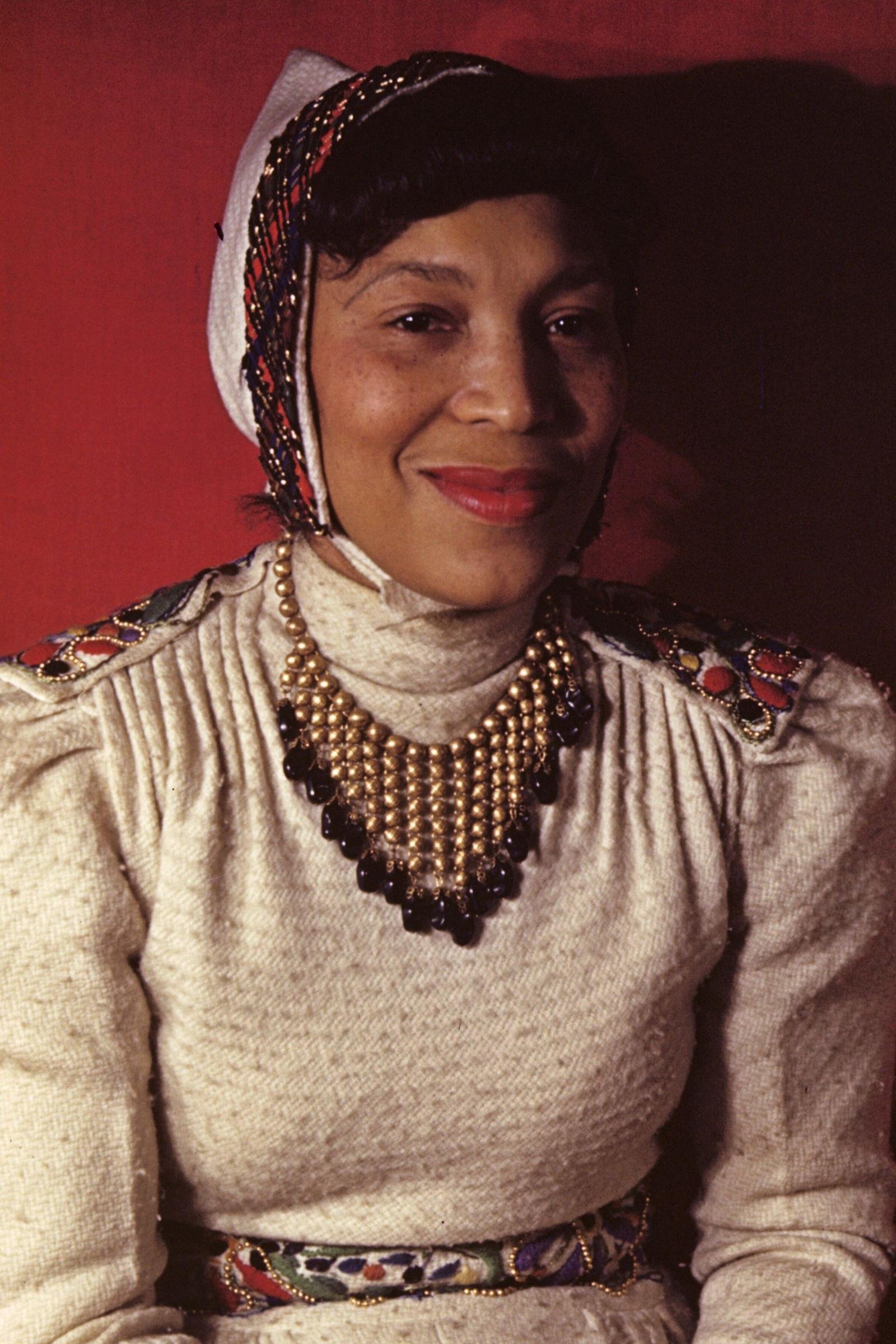
"There is no agony like bearing an untold story inside you."
— Zora Neale Hurston, Dust Tracks on a Road (1942), novelist, folklorist, and anthropologist
What We Mean When We Talk About Being Seen
Being seen is not the same as being observed, assessed, diagnosed, or understood in the purely cognitive sense.
There is an important distinction between feeling understood and being truly known. Understanding can be intellectual—partial, accurate, yet detached. Being known requires something more: the willingness of another person to be genuinely affected by what they are receiving. That quality of presence is what makes the experience rare, and what makes it matter so much when it occurs.
In clinical settings, the quality of the therapeutic relationship is one of the strongest predictors of treatment outcome, often more so than the specific modality used. That alliance is built on acknowledgment. The patient’s inner world is treated as real, coherent, and worthy of full attention. Something in them responds to that, not because the clinician has said the right thing, but because the patient has felt genuinely met.
Acknowledgment as a Clinical and Creative Act
For those who work in health care and at the intersection of psychology and the arts, acknowledgment is not a soft concept. It is not a pleasantry or a technique. It is a foundational act with measurable consequences.
Attachment theory offers a useful framework here. The experience of being consistently seen by caregivers is what allows a child to develop what researchers call a secure internal working model—a stable sense that relationships are trustworthy, that the self is worthy of care, and that the world is navigable. Disruptions to that experience—chronic mis-attunement, emotional unavailability, dismissal—leave traces that can persist across a lifetime.
This dynamic does not end in childhood. Across the lifespan, the nervous system continues to respond to the presence or absence of genuine acknowledgment. Adults who feel chronically unseen, in their relationships, workplaces, or communities, often carry a particular kind of exhaustion. Not the exhaustion of overwork, but the fatigue of continually presenting a version of themselves that is legible and acceptable, rather than authentic.
Therapeutic relationships and the creative process can disrupt this pattern. Not always, and not automatically. But at their best, both create conditions in which the unmanaged self can surface. When that self is met with attention and care—rather than correction or judgment—meaningful change becomes possible.
The artist and the clinician are, at their core, engaged in the same essential work: helping people see what has been invisible, in the world, and in themselves.
The Connection to Meaningful Change
Meaningful change, the kind that reorganizes something at depth rather than simply adjusting surface behavior, does not begin with insight alone. It begins with acknowledgment.
In clinical work, we tend to assume that people change when they understand something new. And understanding matters. But understanding without felt recognition tends to remain intellectual ~ interesting, perhaps useful, but not transformative.
What transforms is the experience of being truly seen: of having one’s struggles acknowledged without judgment, and one’s inner world received without the agenda of changing it.
The paradox of clinical and creative work is this: the more directly we pursue change, the more it can recede. The more we simply witness—with curiosity, steadiness, and genuine care—the more movement becomes possible. Acknowledgment is not the prelude to the work. In many cases, it is the work.
A Clinical Reflection
Think of a moment in your own life when you felt genuinely seen—not praised, not agreed with, not fixed. Simply witnessed. What happened in you? What became possible that had not been possible before? This is the experience we cultivate when we work at the intersection of attunement, emotional growth, and the creative process.
Strengthening Relationships Through Witness
The capacity to strengthen relationships, in psychotherapy and in community, is inseparable from the experience of witnessing and being witnessed.
Relationships deepen not through the absence of difficulty, but through the experience of being held during it. When we feel seen in our vulnerability—when a colleague acknowledges the weight of the work, when a partner recognizes a grief, we have not yet named, when an artist gives form to an experience we thought was ours alone, trust becomes possible in a way that cannot be manufactured.
This is why creative communities function as relational containers. They are not merely networks of shared professional interest; they are spaces in which the experience of being genuinely known becomes possible. Individuals bring their unresolved experiences, their curiosity, and their doubt, and find that they are welcome. Vulnerability is met with care. Emotional safety develops. And from that safety, people feel able to reveal their more authentic selves.
Over more than four decades, the Creativity and Madness community has been, at its core, exactly that kind of space—where professionals from psychiatry, psychology, social work, nursing, and the arts have gathered not only to learn, but to be met: as clinicians, as human beings, and as people who have chosen work that requires sustained presence with the full complexity of the human condition.
Building Community Around the Experience of Being Known
The community we have built over 45 years is, more than anything, a community of people who take the interior life seriously.
Not as a clinical category to be managed or a problem to be solved, but as the living, irreducible core of what makes us human—and what makes the work of healing and the work of creating matter.
When we gather, at our conferences, in consultation, in the ongoing conversations of this community, we practice what we teach. We create the conditions in which people can be seen. In which the questions we carry about our patients, our practice, and ourselves can be brought into a space that holds them with both rigor and care.
That is not incidental to the work of this organization. It is the work.
At Creativity and Madness, we believe that psychological depth and creative expression are not luxuries. They are essential. The human need to be witnessed, to have one’s experience met with genuine acknowledgment, is not merely a clinical observation. It is a fundamental truth about what it means to be alive.
This is a conversation worth continuing.
Join us in our private Facebook group, and at the 2026 Creativity and Madness Live Conference, July 30–August 2, where these questions will be at the center of everything we do.
by Dr. Amy Vail